

Why prioritise pleasure: the science of a happier life
TL;DR:
- Prioritising pleasure involves intentionally focusing on positive experiences to improve well-being. Regular micro-pleasures and deliberate indulgence increase life satisfaction, resilience, and health. Building joy across various aspects of life strengthens relationships and promotes long-term happiness.
Prioritising pleasure is defined as the intentional, consistent focus on positive experiences that support emotional and physical well-being. Research confirms this is not self-indulgence. Adults who make pleasure a deliberate part of daily life report more positive emotions and fewer negative ones, leading to measurably higher life satisfaction. That finding comes from structured daily assessments across adults aged 21–87. The importance of pleasure extends well beyond mood. It shapes resilience, relationship quality, and long-term health in ways that productivity culture consistently undervalues.
Why prioritise pleasure? What the science actually shows
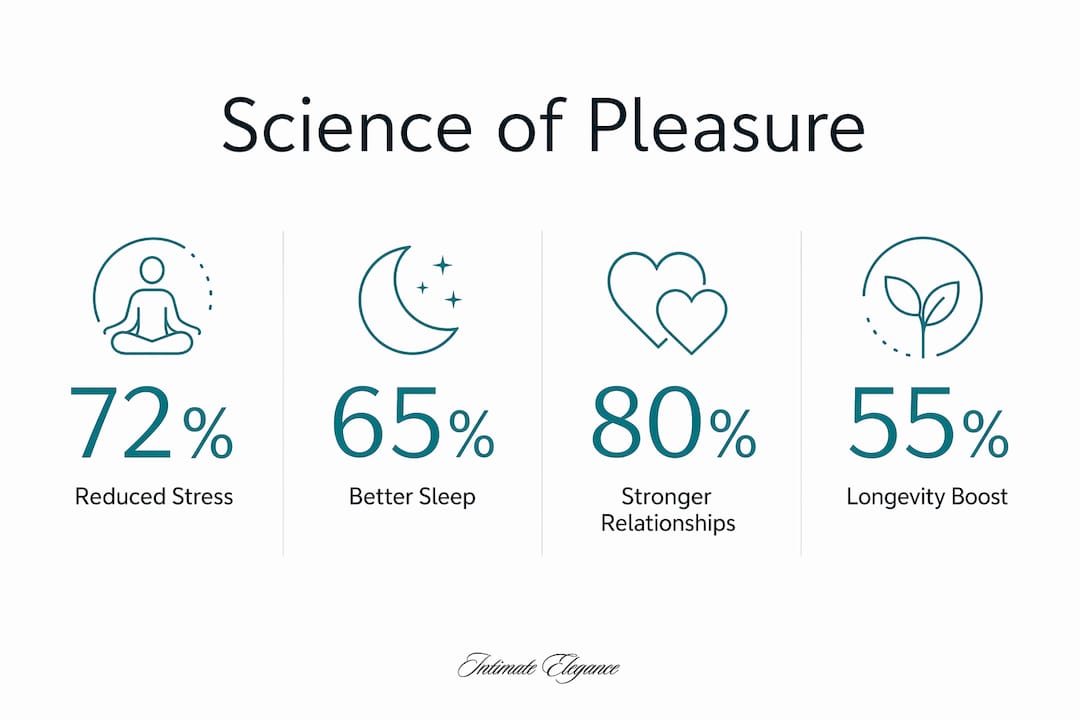
The evidence for prioritising pleasure is grounded in physiology, not philosophy. Adults who regularly experience positive emotions show measurable improvements in immune function and cardiovascular health. The mechanism is straightforward: pleasure reduces cortisol, the primary stress hormone, and activates the parasympathetic nervous system, which governs rest and recovery.

One of the most striking findings comes from frequency, not intensity. Daily microdoses of joy delivered consistently have more effect on long-term life satisfaction than one-time major rewards. A single holiday does less for your baseline happiness than five minutes of genuine enjoyment repeated daily. This challenges the common assumption that pleasure requires grand gestures or significant expense.
Gratitude practices illustrate this principle precisely. Research by Robert Emmons at UC Davis found that weekly gratitude notes led to significantly higher satisfaction within ten weeks compared to control groups. The act of noticing pleasure, not just experiencing it, compounds its effect.
The benefits of prioritising joy also extend to longevity. Positive emotional states reduce inflammatory markers associated with cardiovascular disease and accelerated ageing. Adults who report higher daily pleasure also tend to sleep better, exercise more consistently, and maintain stronger social bonds. Each of these factors independently predicts a longer, healthier life.
| Benefit | Mechanism |
|---|---|
| Reduced stress | Lower cortisol through parasympathetic activation |
| Better immune function | Positive emotions reduce inflammatory markers |
| Higher life satisfaction | Consistent micro-pleasures prevent hedonic adaptation |
| Improved longevity | Strong social bonds and lower disease risk |
| Greater resilience | Emotional balance supports recovery from setbacks |
How do pleasure and mental health interact?
The relationship between pleasure and mental health is best understood through two distinct frameworks: hedonic and eudaimonic well-being. Hedonic well-being centres on immediate positive experience, the pleasure of good food, music, touch, or laughter. Eudaimonic well-being centres on meaning, growth, and purpose. Both matter. Neither alone is sufficient.
Dopamine drives desire and pursuit, but true enjoyment arises from other neurotransmitters such as oxytocin and serotonin. This distinction explains why chasing the next reward rarely satisfies. Dopamine creates wanting; oxytocin and serotonin create belonging and contentment. Prioritising pleasure means cultivating both systems, not just the one that drives pursuit.
The brain is not designed for constant happiness. Experts caution that the goal is a balance where positive emotions outweigh negative ones, not a state of continuous euphoria. Accepting difficult emotions as part of life actually strengthens resilience. Suppressing them in pursuit of relentless positivity does the opposite.
Key distinctions that clarify the pleasure and mental health relationship:
- Hedonic pleasure delivers immediate relief and positive affect. Examples include sensory enjoyment, rest, and social laughter.
- Eudaimonic fulfilment comes from meaningful effort. Examples include creative work, learning, and deep relationships.
- Flow states sit between the two. Flow requires effort and leads to growth, while passive pleasure provides temporary relief. Both serve a purpose.
- Emotional acceptance is part of the model. Negative emotions are not failures. They are data that guide behaviour and deepen appreciation for positive ones.
The value of happiness, properly understood, is not the absence of difficulty. It is the capacity to experience genuine pleasure within a life that also contains challenge.
What are practical ways to prioritise enjoyment daily?
Practical pleasure prioritisation works best when it is intentional and varied. Relying on a single source of joy creates vulnerability. When that source disappears, so does your baseline happiness. Spreading pleasure across multiple domains, physical, social, creative, and sensory, creates a more stable foundation.
-
Build micro-pleasure habits. Identify three small, accessible pleasures you can experience daily. These might include a morning coffee ritual, a short walk, or five minutes of music you genuinely love. Consistent micro-pleasures modulate hedonic adaptation, preventing the brain from habituating to joy and sustaining satisfaction over time.
-
Use strategic indulgence. Research from the University of Dundee shows that selective desire pursuit reduces internal conflict and boosts hedonic well-being. People with high self-control do not deny themselves pleasure. They choose which pleasures to pursue deliberately, aligning enjoyment with their values rather than suppressing desire entirely.
-
Apply the Sparkle–Depth Dynamic Model. The Sparkle–Depth Dynamic Model explains that meaningful activities may feel energetically costly in the short term but build lasting fulfilment. Schedule both: light, energising pleasures for daily recovery, and deeper, more demanding activities for long-term growth.
-
Invest in social and sensory pleasure. A University of Canterbury study found that sex, touch, music, and volunteering rank among the top daily activities most associated with happiness and stress reduction. These are not luxuries. They are evidence-based contributors to well-being.
-
Practise mindful noticing. Pleasure experienced without attention fades quickly. Slowing down to notice what feels good, whether it is warmth, taste, or connection, extends the emotional benefit of each experience. This is not mysticism. It is how the brain consolidates positive memory.
Pro Tip: Keep a brief daily log of three pleasures you noticed that day. After two weeks, review it. Most adults are surprised by how many small sources of joy they had overlooked entirely.
For a deeper look at how to apply these principles to intimate experiences, Intimate-elegance’s guide on how to enhance pleasure covers practical exercises that blend sensory enjoyment with mindfulness.
Why does pleasure matter for relationships and social well-being?
Pleasure is not only a personal resource. It is the foundation of social connection. The role of pleasure in life extends directly into how we relate to others, and the evidence for this is substantial.
The Harvard Study of Adult Development tracked 724 subjects from adolescence to late adulthood. Its central finding: relationship quality is the strongest predictor of long-term health and well-being, outperforming wealth, fame, and professional achievement. Married individuals with warm, supportive relationships live longer. The quality of connection matters more than its quantity.
Shared pleasure is the mechanism that deepens those connections. Activities that generate mutual positive emotion, laughter, physical touch, shared meals, and sexual intimacy, release oxytocin and serotonin in both participants. These neurochemical responses build trust, reduce anxiety, and reinforce attachment.
Key ways pleasure strengthens relationships:
- Physical touch and intimacy activate oxytocin, which reduces cortisol and increases feelings of safety and closeness.
- Shared activities create positive associative memories that partners return to during conflict or stress.
- Sexual well-being is a direct contributor to relationship satisfaction. Adults who invest in their intimate lives report higher overall happiness and stronger bonds.
- Social laughter and play signal psychological safety, which is the foundation of deep trust.
Investing in sexual well-being is one of the most direct ways to honour the pleasure-relationship connection. It is not separate from broader well-being. It is central to it.
Key takeaways
Prioritising pleasure is a scientifically supported practice that improves mental health, strengthens relationships, and builds lasting life satisfaction through consistent, intentional positive experiences.
| Point | Details |
|---|---|
| Daily micro-pleasures matter most | Small, repeated joys do more for long-term satisfaction than rare large rewards. |
| Balance hedonic and eudaimonic pleasure | Combine immediate enjoyment with meaningful, growth-oriented activities for full well-being. |
| Relationships amplify pleasure’s benefits | The Harvard Study confirms that relationship quality is the strongest predictor of health and longevity. |
| Strategic indulgence beats suppression | Choosing pleasures deliberately reduces internal conflict and sustains hedonic well-being. |
| Emotional acceptance supports resilience | Accepting negative emotions alongside positive ones builds the balance the brain actually needs. |
Pleasure is not the opposite of responsibility
The most persistent misconception I encounter is that pleasure and productivity are in competition. Adults who feel guilty about enjoying themselves are not being disciplined. They are being counterproductive. The research is unambiguous: people who regularly experience pleasure perform better, recover faster from stress, and make better decisions.
What I have found, both personally and in observing how people approach well-being, is that the problem is rarely too much pleasure. It is too little intentionality. Most adults drift through days that are full of activity but thin on genuine enjoyment. They are busy, not happy. The fix is not to work less. It is to notice more.
The pleasure versus responsibility framing is also a false one. Strategic indulgence, the deliberate choice to pursue specific pleasures without guilt, actually strengthens self-control rather than undermining it. When you stop treating enjoyment as a reward you have not yet earned, you stop the cycle of deprivation and bingeing that makes pleasure feel chaotic.
My honest recommendation is to start with the smallest possible change. Identify one pleasure you have been postponing and schedule it this week. Not as a treat. As a non-negotiable part of a well-functioning life. The science supports you entirely.
— Bartosz
Pleasure, well-being, and what Intimate-elegance offers
Adults who take pleasure seriously deserve products that match that intention. Intimate-elegance curates a selection of premium adult toys, lingerie, and couples’ accessories designed to support genuine, quality intimate experiences.

Whether you are exploring solo pleasure or deepening connection with a partner, the range at Intimate-elegance is built around discretion, quality, and real satisfaction. The TOYJOY Amazing Pleasure Sex Toy Kit is a strong starting point for adults ready to invest in their intimate well-being with a curated, thoughtfully assembled collection. For couples seeking shared pleasure, the Addicted Toys Double Penis Ring with clitoral stimulator offers a direct, evidence-aligned way to enhance mutual enjoyment. All orders ship anonymously across the EU with full privacy protection.
FAQ
Why should I prioritise pleasure over other goals?
Pleasure is not separate from your other goals. Research shows that adults who prioritise positive experiences report higher life satisfaction, better health outcomes, and stronger relationships, all of which support long-term achievement.
What is the difference between hedonic and eudaimonic pleasure?
Hedonic pleasure refers to immediate positive experiences such as enjoyment and sensory satisfaction. Eudaimonic pleasure comes from meaningful engagement and personal growth. Both contribute to well-being and work best when balanced.
How do micro-pleasures improve long-term happiness?
Consistent small pleasures prevent hedonic adaptation, the brain’s tendency to normalise positive experiences. Daily moments of joy sustain baseline happiness more effectively than infrequent large rewards.
Does prioritising pleasure affect relationships?
The Harvard Study of Adult Development found that close relationship quality is the strongest predictor of long-term health. Shared pleasure, including physical intimacy, directly strengthens social bonds and mutual well-being.
Is it selfish to make pleasure a priority?
Prioritising pleasure is a health practice, not a moral failing. Adults who experience regular positive emotions are more resilient, more generous, and better equipped to support others than those who consistently deprive themselves.