

What is wellness-focused pleasure: a complete guide
TL;DR:
- Wellness-focused pleasure is intentional enjoyment that supports your physical and emotional health. It is a proactive health practice that builds resilience, reduces stress, and boosts immunity.
Wellness-focused pleasure is the deliberate experience of enjoyment that actively supports your physical and emotional health. Known in health psychology as “pleasure-based wellness,” this concept treats enjoyment not as a bonus but as a biological necessity. Neurochemicals like oxytocin and endorphins regulate stress and strengthen neural pathways for emotional resilience. The World Health Organization’s biopsychosocial model of sexual health places pleasure at the centre of quality of life, not on its margins. Understanding what wellness-focused pleasure means gives you a practical framework for using enjoyment as a genuine health tool.
What is wellness-focused pleasure and why does it matter?
Wellness-focused pleasure is intentional, healthy enjoyment that serves your body and mind simultaneously. It differs from passive or compulsive pleasure because it is chosen with awareness and practised with consistency. The goal is not simply to feel good in the moment. The goal is to build physical resilience, emotional balance, and a stronger sense of self over time.
Pleasure is a biological necessity, not a luxury. Your nervous system depends on pleasurable input to downregulate the HPA axis, the stress response system that governs cortisol and adrenaline. Without regular pleasure, that system stays elevated, which contributes to anxiety, poor sleep, and weakened immunity. Treating pleasure as optional is, from a neuroscience perspective, a health risk.
The biopsychosocial framework, published in Nature Reviews Urology in 2025, frames sexual pleasure as essential for quality of life rather than a side effect of good health. That shift matters. It moves the conversation away from dysfunction and towards enjoyment as a right and a health pillar. Intimate-elegance builds its educational content on exactly this foundation, treating pleasure as a core component of adult well-being.
What physiological and psychological benefits does wellness-focused pleasure provide?
The physical benefits of pleasure are measurable and well-documented. Orgasms release dopamine, endorphins, and prolactin, which together aid mood regulation, pain relief, and sleep quality. Endorphins act as natural analgesics. Prolactin promotes deep, restorative sleep. These are not minor side effects. They are direct physiological outcomes of a single pleasurable event.
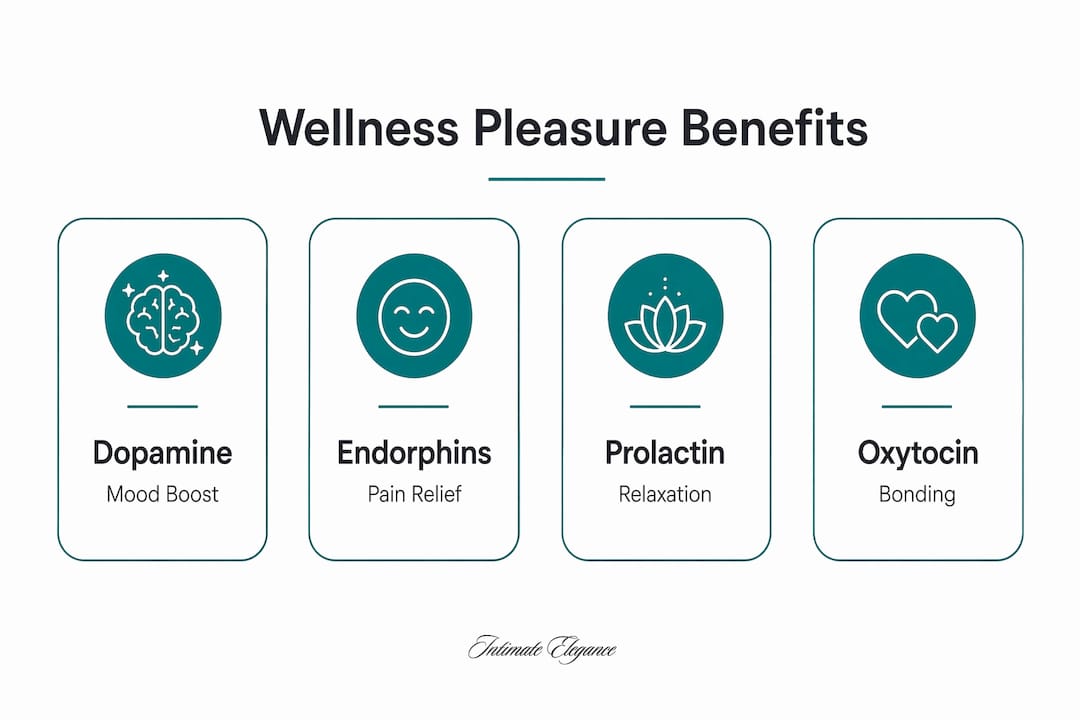
Immune function also responds to regular sexual activity. A study from Wilkes University found that sexual activity three or more times per week increases immunoglobulin A antibodies in saliva. Immunoglobulin A is your body’s first line of defence against pathogens. Higher levels mean a more responsive immune system, particularly against respiratory infections.
The psychological benefits are equally significant:
- Mood enhancement: Dopamine release during pleasure creates a reliable, repeatable mood lift without dependency.
- Stress reduction: Oxytocin, released during physical intimacy and orgasm, directly lowers cortisol levels.
- Emotional resilience: Regular pleasurable experiences strengthen neural pathways that govern joy and emotional regulation.
- Improved self-esteem: Pleasure practices build body confidence and a positive relationship with your own physical experience.
- Better sleep: The prolactin released after orgasm signals the brain to enter a relaxed, sleep-ready state.
A survey of 16,000 US adults found that having sex once a week boosts well-being to the same degree as a £40,000 annual income increase. That finding reframes pleasure as a genuine contributor to life satisfaction, not a trivial indulgence.
How can wellness-focused pleasure be practised through healthy methods?
Healthy pleasure practices span a wide range of activities, from solo self-care to partnered intimacy and sensory lifestyle habits. The common thread is intentionality. You are choosing pleasure as a wellness act, not simply reacting to impulse.
Here are four evidence-based approaches to practising wellness-focused pleasure:
- Self-pleasure and masturbation. Regular masturbation is linked to higher self-esteem, increased sexual desire, and greater satisfaction in intimate relationships. It builds body literacy, which is the ability to understand and communicate your own physical responses. That knowledge directly improves partnered intimacy.
- Sensual touch and massage. Sensual massage activates the parasympathetic nervous system, reducing muscle tension and lowering heart rate. It does not require a partner. Self-massage with intention counts as a wellness practice.
- Mindfulness and breathwork during pleasure. Bringing focused attention to physical sensation amplifies the neurochemical response. Mindfulness during pleasure increases oxytocin release and deepens the emotional benefit of the experience.
- Partnered intimacy with communication. The benchmark for healthy sexual wellness is individual satisfaction and anticipation, not frequency alone. Couples who discuss preferences and desires report higher satisfaction regardless of how often they are intimate.
One common mistake is treating pleasure as a reward you earn after completing obligations. That framing keeps pleasure at the edge of your life rather than woven into it. Small, regular pleasure moments accumulate to protect mental health over time, with protective effects lasting days beyond the event itself.
Pro Tip: Schedule a short pleasure ritual, five to ten minutes of intentional sensory enjoyment, into your daily routine the same way you would schedule exercise. Consistency matters more than duration.
What distinguishes wellness-focused pleasure from other pleasure concepts?
Wellness-focused pleasure is not the same as recreational indulgence, and it is not the same as clinical sexual health treatment. Understanding the difference helps you apply it correctly.
| Concept | Focus | Goal |
|---|---|---|
| Clinical sexual health | Dysfunction and pathology | Restore baseline function |
| Recreational pleasure | Immediate gratification | Short-term enjoyment |
| Wellness-focused pleasure | Intentional, balanced enjoyment | Long-term physical and emotional health |
Clinical sexual health addresses problems. Recreational pleasure seeks stimulation. Wellness-focused pleasure sits between them, treating enjoyment as a proactive health practice rather than a fix or a treat.
The biopsychosocial framework is central here. Sexual pleasure requires integration of biological, psychological, and social factors to be fully understood. A purely clinical view misses the emotional and cultural dimensions. A purely recreational view misses the health dimension. Wellness-focused pleasure holds all three together.
Sociocultural barriers also shape how people access pleasure. Guilt, shame, and cultural taboos counteract the emotional safety that pleasure requires to function as a wellness tool. Recognising these barriers is the first step to moving past them. Pleasure is not a privilege or a reward. It is a right and a health resource.
How can you incorporate wellness-focused pleasure into everyday life?
Building pleasure into daily life does not require dramatic changes. Small, consistent habits create the cumulative benefit that makes wellness-focused pleasure effective.
Practical ways to integrate pleasure into your routine include:
- Morning sensory rituals. A warm shower with attention to physical sensation, or five minutes of gentle self-touch, activates the parasympathetic nervous system before the day’s demands begin.
- Scheduled intimacy. Planned intimacy is not less spontaneous than unplanned encounters. It signals to your nervous system that pleasure is a priority, not an afterthought.
- Body awareness practices. Yoga, breathwork, and mindful movement all build the body literacy that makes pleasure more accessible and satisfying. An erotic self-care checklist can help you track and expand your personal pleasure practices.
- Open communication with partners. Discussing what feels good, what you are curious about, and what you want more of is itself a wellness act. It reduces anxiety and builds emotional safety.
- Gradual pleasure rebuilding. If stress, trauma, or cultural conditioning has reduced your connection to pleasure, start small. A single intentional sensory experience per day is enough to begin rebuilding neural pathways.
Guilt is the single biggest obstacle to wellness-focused pleasure. Many adults carry the belief that pleasure is selfish or unproductive. Reframing pleasure as self-care rather than indulgence is not a semantic trick. It is a neurologically accurate description of what pleasure does for your body and mind.
Pro Tip: If guilt arises during a pleasure practice, name it without judgement and return your attention to physical sensation. The act of redirecting attention is itself a mindfulness practice that strengthens emotional regulation over time.
Key takeaways
Wellness-focused pleasure is a proactive health practice that uses intentional enjoyment to regulate the nervous system, boost immunity, and build lasting emotional resilience.
| Point | Details |
|---|---|
| Pleasure is a biological necessity | The nervous system requires regular pleasurable input to regulate stress hormones and maintain emotional balance. |
| Neurochemicals drive the benefits | Dopamine, oxytocin, endorphins, and prolactin each deliver measurable physical and psychological health outcomes. |
| Consistency matters more than intensity | Small, regular pleasure moments accumulate to protect mental health, with benefits lasting days beyond each event. |
| Self-pleasure builds body literacy | Regular masturbation improves self-esteem, sexual desire, and the ability to communicate needs in partnered intimacy. |
| Guilt is the primary barrier | Reframing pleasure as self-care rather than indulgence removes the main psychological obstacle to its health benefits. |
Pleasure as medicine: my honest view
The most persistent misconception I encounter is that pleasure needs to be earned. Adults treat enjoyment as a reward for productivity, which means it only arrives when they are already depleted. That is exactly backwards. Pleasure works best as a proactive tool, not a recovery mechanism.
The neuroscience is clear. Pleasure actively downregulates the HPA axis stress response before stress accumulates to damaging levels. Waiting until you are burnt out to seek pleasure is like waiting until you are severely dehydrated to drink water. The system works, but you are always playing catch-up.
Societal barriers make this harder than it should be. Shame around sexual pleasure, in particular, runs deep in many cultures. Adults who grew up with negative messages about their bodies or desires often need to consciously rebuild their relationship with pleasure from the ground up. That process is not self-indulgent. It is genuine health maintenance.
What I find most encouraging is that the threshold for benefit is low. You do not need extended sessions or elaborate rituals. Five minutes of intentional, mindful pleasure, practised consistently, delivers real neurological and emotional returns. The body responds to regularity far more than to intensity. Start small, stay consistent, and treat pleasure with the same seriousness you give to sleep or nutrition.
— Bartosz
Wellness-focused pleasure, supported by Intimate-elegance
Intimate-elegance curates premium adult products specifically chosen to support pleasure as a wellness practice, not just a recreational one.

Whether you are building a solo self-care routine or deepening intimacy with a partner, the right tools make consistency easier. The TOYJOY Amazing Pleasure Sex Toy Kit is a well-regarded starting point for adults who want a comprehensive, high-quality introduction to pleasure-based self-care. For couples, the Super Sex Bomb Box offers a curated selection designed to support shared wellness rituals. All orders ship discreetly across the EU with secure, anonymous delivery. Intimate-elegance also publishes a sexual wellness guide with practical advice for every stage of your wellness practice.
FAQ
What is wellness-focused pleasure in simple terms?
Wellness-focused pleasure is intentional enjoyment that actively supports your physical and emotional health. It treats pleasure as a proactive health practice rather than a reward or indulgence.
How does pleasure affect mental health?
Pleasure triggers the release of dopamine, oxytocin, and endorphins, which regulate mood, reduce cortisol, and strengthen emotional resilience. The protective effects last days beyond the pleasurable event itself.
Is masturbation a wellness practice?
Regular masturbation is linked to higher self-esteem and greater satisfaction in intimate relationships. It builds body literacy and supports stress relief, making it a recognised component of sexual wellness.
How often do you need to experience pleasure for health benefits?
Having sex once a week produces well-being benefits equivalent to a significant income increase, but the broader principle applies to all pleasure practices. Consistency and intentionality matter more than frequency.
What is the difference between sexual health and wellness-focused pleasure?
Clinical sexual health focuses on diagnosing and treating dysfunction. Wellness-focused pleasure shifts the focus to enjoyment as an essential pillar of quality of life, using a biopsychosocial framework that integrates biological, psychological, and social dimensions.