

What is sensuality: a guide to your senses
TL;DR:
- Sensuality is the conscious enjoyment of life through all five senses, rooted in aesthetic and emotional appreciation. It is entirely independent of sexuality and emphasizes sensory presence without sexual intent. Practicing sensual awareness fosters emotional well-being, reduces stress, and deepens connection with oneself and others.
Sensuality is defined as the conscious capacity to perceive and enjoy life through all five senses, rooted in aesthetic and emotional appreciation rather than sexual activity. The word itself derives from the Latin sensualis, meaning “of the senses,” and that origin tells you everything. Sensuality is about being fully present to taste, touch, sound, sight, and smell. It is distinct from sexuality, though the two often overlap. Understanding sensuality as its own experience opens up a richer, more grounded way of living and connecting with others.
What is sensuality and how does it differ from sexuality?
Sensuality and sexuality are related, but they are not the same thing. Sensuality focuses on sensory and emotional presence. Sexuality focuses on physical arousal and desire. Confusing the two is one of the most common barriers people face when trying to explore their senses more deeply.
Therapists and sexologists describe sensuality as the “gentler sister” of sexuality. Where sexuality carries the weight of performance and outcome, sensuality asks for nothing except attention. A person can be deeply sensual without any sexual intent at all. That distinction matters enormously, particularly for adults who feel pressure to perform rather than simply feel.
Sensuality is better understood as an independent experience that focuses on deep emotional connection through body awareness. It does not require a partner. It does not require arousal. It requires only presence.
Key ways sensuality differs from sexuality:
- Sensuality is about noticing the warmth of sunlight on your skin, the texture of fabric, or the flavour of coffee.
- Sexuality is oriented towards desire, arousal, and physical intimacy with a goal in mind.
- Sensuality can exist entirely outside of sexual contexts, including in art, music, food, and nature.
- Sexuality without sensuality often feels mechanical. Sensuality without sexuality is still deeply fulfilling.
- Sensuality reduces performance pressure in intimate relationships by shifting focus from outcome to experience.
Pro Tip: If you find intimate moments feel tense or goal-driven, try removing any expectation of a sexual outcome entirely. Spend ten minutes simply noticing physical sensations without any agenda. This single shift can change how you experience closeness.
What are the psychological benefits of embracing sensuality?
Sensuality functions as a form of mindfulness. When you pay deliberate attention to sensory experience, you anchor yourself in the present moment. That anchoring has measurable effects on mental well-being.
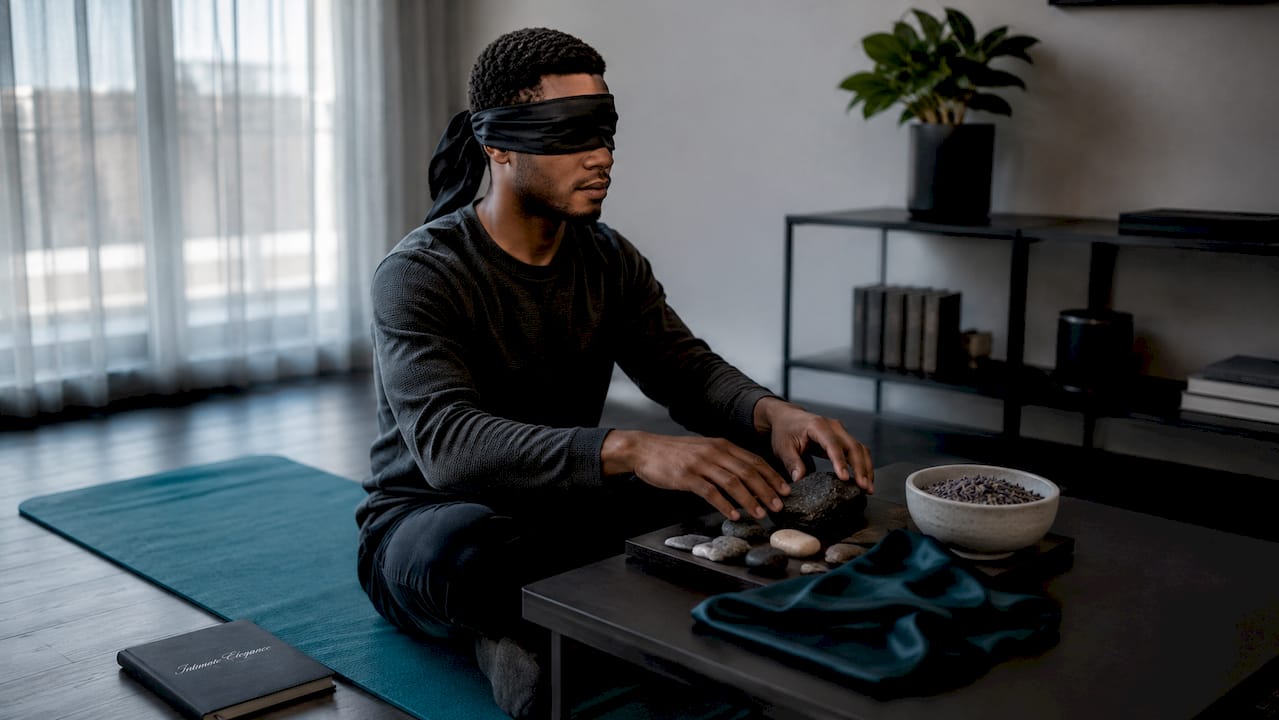
Focusing on sensory awareness improves emotional stability and reduces stress. Tactile and olfactory attention, in particular, pulls the mind away from anxious thought loops and grounds it in the body. This is not a vague wellness claim. It is the same mechanism that underlies established mindfulness-based therapies used in clinical settings across Europe.
The psychological benefits of cultivating sensual awareness include:
- Reduced stress. Sensory focus interrupts the cognitive patterns that sustain anxiety. Noticing the scent of a candle or the weight of a blanket is a genuine interruption to rumination.
- Improved emotional regulation. Sensuality teaches you to sit with sensation rather than react to it. That patience transfers directly to emotional life.
- Greater self-love and body acceptance. Sensual self-awareness builds a positive relationship with your own body, independent of how it looks or performs.
- Deeper intimacy without pressure. Shared sensual attention creates connection that does not depend on sexual performance, which is particularly valuable for couples navigating stress or life changes.
- Mindful presence. Sensuality practised regularly trains the mind to stay present, a skill that benefits every area of life.
Sensuality practised solo is a legitimate form of mindful self-care. It offers grounding benefits without requiring arousal or a partner. This makes it accessible to every adult, regardless of relationship status or sexual orientation.
Cultural misconceptions create real barriers here. Many adults have been conditioned to associate any form of sensual attention with sexual intent, which creates shame and self-consciousness. Overcoming goal-oriented mindsets is the critical first step to accessing sensuality’s full psychological value.
How to cultivate sensuality in everyday life
Sensuality does not require a spa weekend or a special occasion. Integrating sensory attention into daily tasks turns ordinary moments into genuine self-care. The practice is simple: slow down, and notice.
Daily sensory practices
- Morning ritual. Before reaching for your phone, spend two minutes noticing physical sensations. The temperature of the air, the texture of your sheets, the sounds around you.
- Mindful eating. Eat one meal a day without screens. Notice flavour, texture, temperature, and aroma. This single habit builds sensory awareness faster than most people expect.
- Intentional touch. Apply body lotion or oil slowly, noticing the sensation on your skin rather than rushing through the task.
- Sound bathing. Listen to music with your eyes closed for ten minutes. Focus entirely on individual instruments or textures within the sound.
- Nature attention. On a walk, stop and notice five specific sensory details: a smell, a texture, a colour, a sound, a temperature.
Pro Tip: Sensual awareness is a skill, not a talent. The more consistently you practise noticing sensation in low-stakes moments, the more naturally it carries into intimate ones. Start with food or music before applying the same attention to touch.
Sensuality in intimate contexts
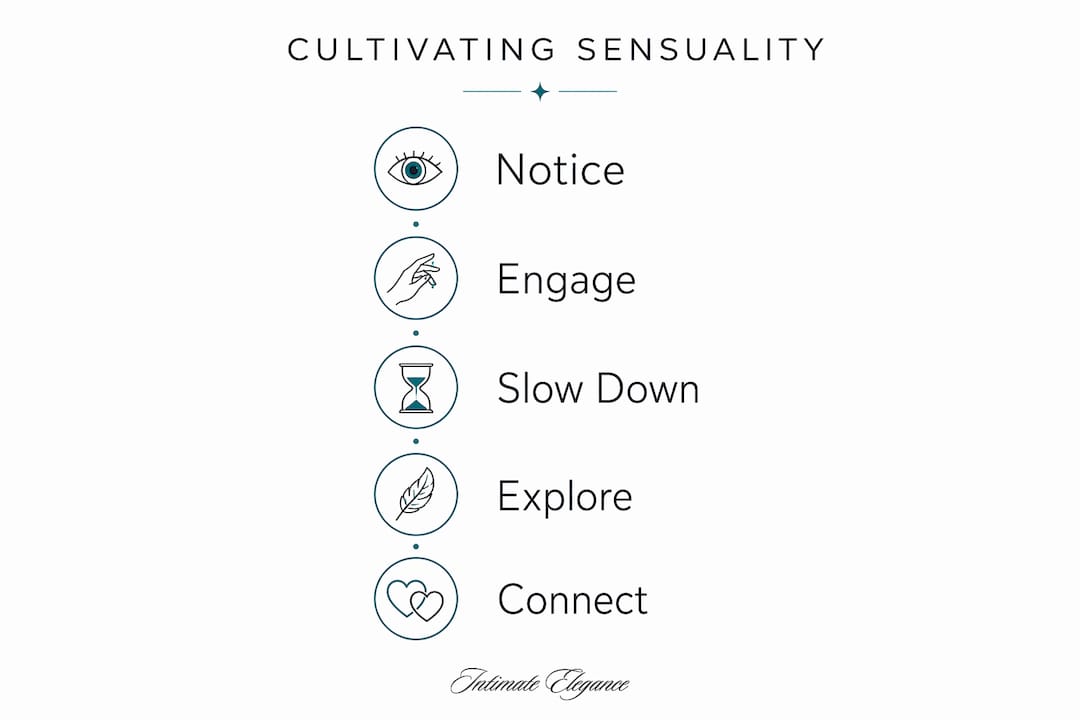
Sensuality deepens connection with a partner when both people shift from a goal-oriented mindset to an experience-oriented one. Sensate focus techniques, developed in couple therapy, teach individuals to disconnect touch from sexual performance. The method involves taking turns giving and receiving non-sexual touch, with the sole aim of noticing sensation. The results include reduced shame, improved body connection, and significantly greater intimacy.
The table below outlines practical sensual practices by context:
| Context | Practice | Primary sense engaged |
|---|---|---|
| Solo self-care | Slow body massage with scented oil | Touch, smell |
| Shared intimacy | Sensate focus touch exercise | Touch, sight |
| Daily life | Mindful eating without distraction | Taste, smell |
| Environment | Candlelit room with curated music | Sight, sound |
| Nature | Barefoot walking on grass or sand | Touch, proprioception |
You can also read about sensual massage benefits for a practical guide to using touch as a tool for deeper connection.
What are the different types of sensuality?
Sensuality is not limited to physical touch or intimate settings. Understanding its full range helps you recognise sensual experience in places you may never have considered.
Aesthetic sensuality
Aesthetic sensuality is the pleasure derived from beauty. Standing in front of a painting that moves you, hearing a piece of music that raises the hairs on your arms, or watching light change across a landscape. These are sensual experiences. They engage the senses fully and produce genuine emotional response. Art museums, concert halls, and natural environments are all spaces where sensuality operates without any sexual dimension whatsoever.
Emotional sensuality
Emotional sensuality describes the richness of felt connection between people. A deeply honest conversation, the comfort of being truly understood, or the warmth of physical closeness without any sexual intent. These experiences are sensual in the truest sense: they are felt in the body and registered emotionally. Emotional sensuality is available to everyone, including asexual individuals, for whom it may represent the primary mode of intimate connection.
Interpersonal and shared sensuality
Shared sensual moments deepen emotional bonds beyond physical desire. Cooking a meal together slowly, giving each other a non-sexual massage, or sitting in comfortable silence while listening to music. These are all forms of shared sensuality. Consent and mutual presence are the only requirements.
The table below compares different expressions of sensuality:
| Type | Example | Sexual component required? |
|---|---|---|
| Physical | Slow, mindful touch or massage | No |
| Aesthetic | Responding to art, music, or nature | No |
| Emotional | Deep conversation, felt connection | No |
| Culinary | Mindful eating with full sensory attention | No |
| Interpersonal | Shared rituals with a partner | No |
Sensuality is a distinct psychological resource that complements but does not depend on sexual expression. This means it broadens the ways you can relate to yourself and others, regardless of your sexual identity or relationship status.
Key takeaways
Sensuality is the conscious engagement of all five senses for emotional and aesthetic pleasure, and it operates entirely independently of sexual activity.
| Point | Details |
|---|---|
| Sensuality is not sexuality | Sensuality focuses on sensory presence; sexuality focuses on arousal and outcome. |
| Daily practice builds the skill | Mindful eating, intentional touch, and sound attention all cultivate sensual awareness. |
| Psychological benefits are real | Sensory focus reduces stress, improves emotional regulation, and deepens self-acceptance. |
| Sensate focus is a proven method | Therapeutic touch exercises uncouple sensation from performance, reducing shame and building connection. |
| All adults can access sensuality | Sensuality requires no partner, no arousal, and no specific identity. It is available to everyone. |
Why sensuality changed how I think about intimacy
I used to think sensuality was just a softer word for something sexual. Most people do. That misunderstanding kept me, and many adults I have spoken with, from accessing something genuinely valuable.
What shifted my thinking was noticing how often the most memorable intimate moments had nothing to do with sex. A slow meal shared with someone I cared about. The particular quality of silence after a long conversation. The feeling of warm water on tired muscles. These were sensual experiences, and they were feeding something that purely sexual encounters often did not.
The cultural pressure to treat sensuality as a stepping stone to sex is real, and it does real damage. It turns what should be a grounding, pleasurable practice into a performance with a predetermined destination. When you remove that pressure, something opens up. You start noticing more. You feel more. And paradoxically, your intimate life often becomes richer as a result.
My honest advice is this: start with the senses you already trust. If you love food, eat one meal this week with complete attention. If music moves you, listen without doing anything else. Build the muscle of presence in low-stakes moments. The rest follows naturally. You can also find practical starting points in this erotic self-care guide if you want a more structured approach to solo sensual practice.
Sensuality is not indulgent. It is one of the most grounding things you can do for your emotional health.
— Bartosz
Sensual exploration with Intimate-elegance
Intimate-elegance curates products and resources specifically for adults who want to deepen their sensual and intimate lives.

Whether you are beginning solo sensual self-care or looking to enrich connection with a partner, the collections at Intimate-elegance are chosen with quality and discretion in mind. The TOYJOY Amazing Pleasure Sex Toy Kit is a well-regarded starting point for sensual self-exploration, offering variety without overwhelm. For those drawn to the aesthetic dimension of sensuality, the Linera for the Senses lingerie collection by Livco Corsetti Fashion brings tactile and visual pleasure together in one piece. All orders ship anonymously across the EU with full privacy protection.
FAQ
What is the sensuality definition in simple terms?
Sensuality is the conscious enjoyment of life through all five senses, rooted in aesthetic and emotional appreciation rather than sexual activity. It derives from the Latin sensualis and describes a state of full sensory presence.
Can sensuality exist without sexuality?
Sensuality exists entirely independently of sexuality. Asexual individuals, for example, can experience rich sensual lives through art, food, touch, and emotional connection without any sexual component.
What does sensuality mean in a relationship?
In a relationship, sensuality means shared presence and sensory attention, such as mindful touch, slow meals together, or listening to music as a couple. It deepens emotional bonds without requiring sexual activity.
How do I start exploring sensuality?
Begin with a single sense you already enjoy. Eat one meal mindfully, listen to music without distraction, or apply body lotion slowly and with full attention. Consistent small practices build sensual awareness over time.
What are sensate focus techniques?
Sensate focus is a therapeutic method that uses structured, non-sexual touch exercises to disconnect sensation from performance pressure. It is widely used in couple therapy to reduce shame and improve body connection.