

What is sensual styling: a guide to intimate aesthetics
TL;DR:
- Sensual styling focuses on engaging the senses through tactile fabrics and body awareness rather than revealing skin. Confidence, subtlety, and authentic details create allure better than exposure or conformity to trends. Building a personal wardrobe with comfortable, textured pieces and mindful gestures enhances natural sensual presence.
Sensual styling is defined as an aesthetic approach that engages the senses through tactile fabrics, considered fit, and authentic body connection rather than overt skin exposure. The practice prioritises how clothing feels against the body as much as how it looks. Key textures in sensual styling include silk, satin, velvet, lace, and sheer mesh, each chosen for the physical and emotional response they produce. Unlike sexualised or performative dressing, sensual styling focuses on self-confidence and presence. Intimate-elegance treats this principle as central to its editorial ethos: that genuine allure comes from body awareness, not exposure.
What is sensual styling and what are its core elements?
Sensual styling is built on a small set of repeatable principles. Understanding them gives you a foundation to build any look that feels genuinely intimate rather than staged.
Fabrics that engage the senses
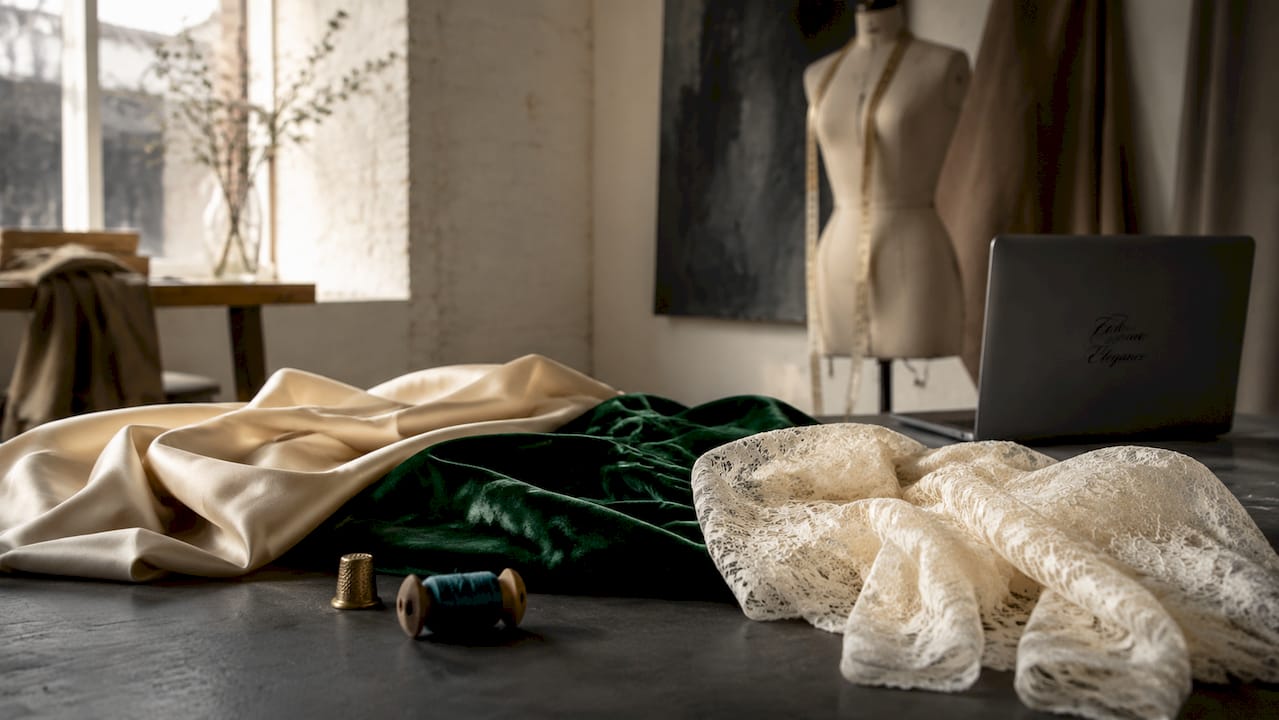
The fabric is the first decision, and it carries the most weight. Soft silks, heavy velvets, and delicate laces allow movement and breathe during intimate sessions, which means they feel as good in motion as they do standing still. Leather and sheer mesh add contrast: one firm and grounding, the other weightless and suggestive. Choosing fabric by touch first, then by appearance, shifts the entire experience of getting dressed.
The one body part at a time principle
Style experts recommend a “one body part at a time” rule for balance in sensual looks. The principle is simple: if a neckline is open, keep the hem lower. If a skirt is fitted, choose a looser top. This creates visual tension without tipping into excess. The result is a look that holds attention through suggestion rather than declaration.
Fit, posture, and gestural details
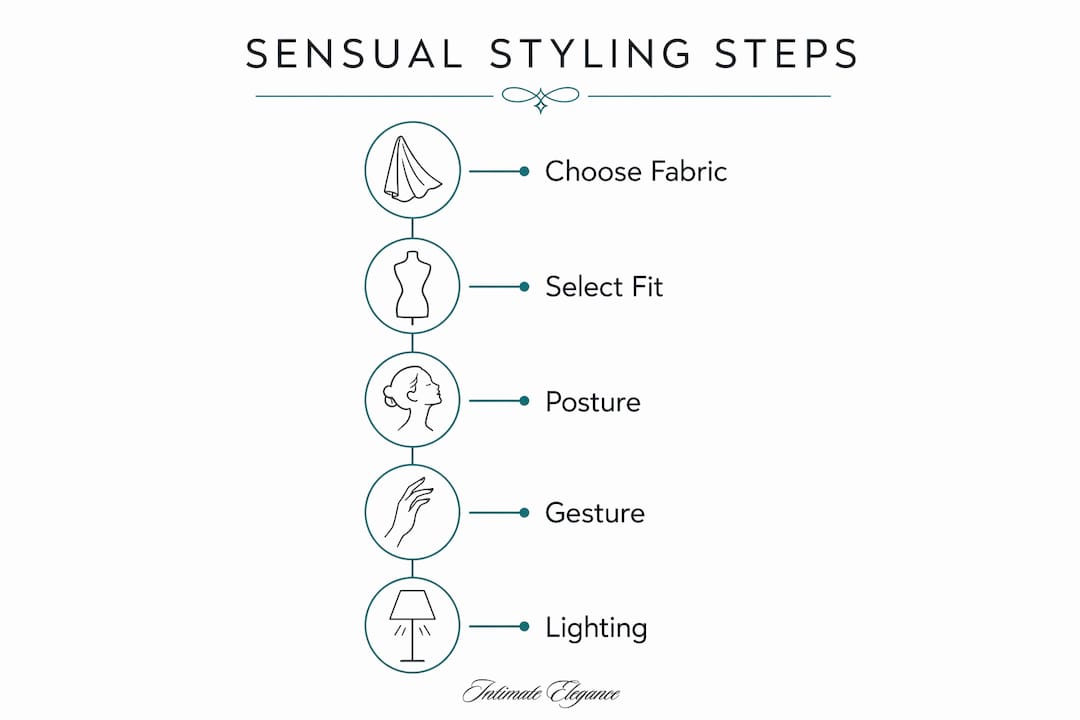
Fit in sensual styling means clothing that skims the body without clinging excessively. A garment that pulls or pinches shifts your attention from presence to discomfort. Gestural styling, which includes small human touches like scrunched socks, rolled cuffs, and deliberate posture, signals authenticity and prevents a look from appearing overly curated. These details bring effortlessness and personal uniqueness to any outfit.
Pro Tip: Layer two contrasting textures, such as a lace camisole under a heavy knit, to create depth and tactile interest without adding more skin.
Lighting and intimate settings
Lighting techniques like chiaroscuro and Dutch tilt enhance the sculptural quality of sensual garments in intimate or photographic settings. Warm, directional light catches the sheen of satin and the texture of lace in ways that flat overhead lighting cannot. If you are styling for a boudoir session or an intimate photograph, consider how your chosen fabrics will catch and reflect light before you finalise the look.
How does sensual styling differ from sexual or revealing fashion?
The distinction between sensual and sexual styling is one of intention and energy, not hemline length.
Sensual dressing is more about the energy and confidence behind the clothes than the amount of skin shown. An unbuttoned silk blouse worn with wide-leg trousers communicates far more intimacy than a tight bodycon dress. The former invites curiosity; the latter announces itself. Sensuality lives in the space between what is shown and what is withheld.
“Sensual styling is an energy and mindset more than a clothing choice. Confidence and body language are paramount. The most intimate looks use subtle body highlight and balance, avoiding extremes of exposure or clinginess, to maintain mystery and elegance.”
The contrast becomes clearest when you look at specific examples:
- An oversized white shirt worn slightly off one shoulder reads as deeply sensual because it implies ease and ownership of the body.
- A silk blouse left partially unbuttoned suggests intimacy without performing it.
- A fitted midi skirt with a simple tucked top draws attention through proportion, not exposure.
- A bodycon dress worn without confidence or comfort often reads as performative rather than genuinely alluring.
Mindset is the variable that changes everything. Subtlety and suggestion are more potent than overt revealing clothes because they require the viewer to engage their imagination. Sensual styling asks something of the person looking. Sexual styling, in its most performative form, does all the work itself and leaves nothing to discover.
How can you apply sensual styling to your personal aesthetic?
Applying sensual styling authentically starts with defining what sensuality means to you, not to a trend report or a social media feed.
-
Build a personal mood board. Defining what sensual means personally through mood boards helps translate that feeling into wearable pieces. Collect images, textures, colours, and even scents that make you feel present in your body. The mood board becomes your filter for every purchase and styling decision.
-
Choose comfort as a non-negotiable. A garment that makes you self-conscious about fit or movement works against sensual styling. Structured undergarments that support and flatter the body create confidence without discomfort. Tailored pieces define shape and offer freedom of movement, which is the physical foundation of a sensual presence.
-
Mix masculine and feminine elements. Unexpected combinations, such as a silk slip worn under a structured blazer, or lace layered beneath a crisp cotton shirt, create visual and tactile contrast. That contrast holds attention in the same way a good sentence holds a reader: through tension and resolution.
-
Curate your wardrobe for intimate occasions. Sensual styling for intimate sessions works best when you have a small selection of pieces chosen specifically for how they feel in private. Three or four items that you genuinely love wearing will serve you better than a wardrobe full of pieces chosen for external approval.
-
Practise body awareness daily. Sensual style is not only activated by special occasions. Walking with deliberate posture, noticing how a fabric feels as you move, and paying attention to your own physical comfort all build the body connection that makes sensual styling legible to others.
Pro Tip: If you work with a photographer or stylist for intimate sessions, share your mood board in advance. A stylist who understands your personal definition of sensuality will make choices that feel like you, not like a generic “sexy” template.
What are the most common pitfalls in sensual styling?
Most errors in sensual styling come from the same source: trying to perform sensuality for someone else rather than embodying it for yourself.
-
Equating sensuality with skin exposure. More skin does not equal more sensuality. Authenticity trumps polished perfection in communicating genuine allure. A slightly imperfect rolled cuff or a loosely pinned piece of hair adds personality that a fully exposed, perfectly styled look cannot replicate.
-
Choosing pre-packaged “sexy” looks. Trend-driven “sexy” aesthetics are designed for mass appeal, which means they are designed for no one in particular. A look assembled from a trending template rarely connects to your actual body or personality.
-
Wearing ill-fitting pieces. Discomfort is the enemy of sensual presence. If you are adjusting a strap, pulling at a hem, or holding your breath in a waistband, your attention is on the clothing rather than on yourself. Fit must be resolved before any other styling decision matters.
-
Neglecting personal identity. Sensual styling that ignores your actual personality produces a costume, not a look. The best sensual styling starts from a personal definition rather than following generic trends. Your body, your history, and your comfort zone are the raw material.
-
Over-styling every detail. Sensual looks benefit from at least one element that appears uncontrived. A perfectly pressed, fully accessorised, head-to-toe curated outfit reads as effort rather than ease. Leave one thing slightly undone.
Key takeaways
Sensual styling is the practice of engaging the senses through fabric, fit, and body awareness, where confidence and authenticity consistently outperform exposure and performance.
| Point | Details |
|---|---|
| Fabric is the foundation | Choose silk, velvet, lace, or satin for their tactile quality, not just their appearance. |
| Suggestion outperforms exposure | The one body part at a time principle creates allure through balance and visual tension. |
| Mindset drives the look | Confidence and body awareness communicate sensuality more effectively than any garment alone. |
| Personal definition matters | Build a mood board to anchor your sensual aesthetic in your own body and personality. |
| Gestural details add authenticity | Rolled cuffs, deliberate posture, and imperfect touches prevent a look from feeling staged. |
What I have learned about sensual styling after years of observation
The most common mistake I see is people treating sensual styling as a destination rather than a practice. They buy the silk slip, they arrange the lighting, and then they wait to feel something. Sensuality does not arrive with the purchase. It builds through repetition, through wearing things that feel good on a Tuesday afternoon, not only for special occasions.
The gestural details are where I have seen the biggest shift in people’s confidence. A slightly imperfect rolled cuff or a loosely tucked shirt does more for authentic sensual presence than any technically perfect outfit. Perfection reads as armour. Ease reads as invitation.
My honest view is that sexual self-expression and sensual styling are deeply connected, but the connection runs through the self, not through the audience. The moment you start dressing for your own physical pleasure, for the feeling of velvet against your skin or the way a silk hem moves, the external response takes care of itself. That shift in orientation is the whole practice.
— Bartosz
Sensual styling and the Intimate-elegance collection
Sensual styling does not stop at the wardrobe. The pieces you choose for intimate moments, from lingerie to accessories, carry the same principles: texture, fit, and authentic body connection.
Intimate-elegance curates lingerie and intimate accessories with exactly this in mind. The Livco Corsetti Linera for the Senses collection applies sensual fabric principles directly to intimate wear, with cuts designed to flatter through proportion rather than exposure. For those looking to extend sensual styling into shared experiences, the ToyJoy pleasure kit offers a curated selection of accessories that complement an intentional approach to intimacy. Browse the full lingerie collection to find pieces that align with your personal sensual aesthetic.
FAQ
What is the difference between sensual and sexy styling?
Sensual styling prioritises body connection, tactile fabrics, and suggestion, while “sexy” styling often focuses on skin exposure and external validation. Sensuality is an energy communicated through confidence and fit, not hemline length.
Which fabrics work best for sensual styling?
Silk, satin, velvet, lace, and sheer mesh are the most effective fabrics for sensual styling. Each engages the sense of touch and moves with the body in ways that synthetic or stiff fabrics cannot replicate.
Do I need to show skin to dress sensually?
Sensual styling does not require skin exposure. An oversized silk shirt worn slightly off one shoulder or a partially unbuttoned blouse communicates more intimacy than overtly revealing clothing because it relies on suggestion rather than declaration.
How do I start building a sensual wardrobe?
Begin with a personal mood board that defines what sensuality means to you specifically. Then select three or four pieces in tactile fabrics that feel genuinely comfortable and empowering, and build from that foundation rather than buying a complete look at once.
What is gestural styling and why does it matter for sensual looks?
Gestural styling refers to small, human touches such as rolled cuffs, scrunched socks, and deliberate posture that add authenticity to an outfit. These details prevent a sensual look from appearing overly curated or performative, which is what makes them so effective.