

Trends in intimate wellness 2026: what's shaping intimacy
TL;DR:
- Intimate wellness now emphasizes mindfulness, emotional safety, and stress management as part of overall health. Technology and minimalist design are reshaping products, focusing on privacy, transparency, and everyday aesthetics. The cultural shift normalizes discussing sexual health openly, integrating it into holistic self-care routines.
Intimate wellness is defined as the practice of caring for your sexual, emotional, and physical health as interconnected parts of overall wellbeing. The intimate wellness market reached $15.18 billion by april 2026, signalling that this is no longer a niche concern. The trends in intimate wellness 2026 reflect a clear shift: people want mindfulness, privacy-conscious technology, and products that feel as considered as their skincare routine. Brands like Livi, Vella Bioscience, and Dare Bioscience are leading a wave of 2026 intimate health innovations that go far beyond novelty.
1. What are the key mindfulness trends in intimate wellness 2026?
Mindful intimacy is the dominant theme across sexual wellness trends 2026. The industry is reframing sexual health to centre emotional safety, nervous-system regulation, and mental wellbeing rather than performance. This shift matters because it opens intimate wellness to people who previously felt excluded by performance-focused messaging.
Experts now link sexual health directly with stress management, sleep quality, and hormone balance. A person who sleeps poorly and carries chronic stress will experience reduced desire and connection. Addressing those root causes produces better intimate outcomes than any single product.
The practices gaining traction include:
- Breathwork and somatic healing: slow, body-focused techniques that reduce anxiety and increase physical presence during intimacy.
- Sensual mindfulness: deliberate attention to sensation without goal-orientation, borrowed from mindfulness-based stress reduction.
- Nervous-system regulation: practices such as cold exposure, vagal nerve stimulation, and restorative yoga that calm the body before intimate connection.
Pro Tip: Try five minutes of slow diaphragmatic breathing before any intimate encounter. It lowers cortisol and increases body awareness more reliably than any supplement.
2. How is technology reshaping the future of intimate health?
Technology is producing entirely new product categories, not just upgrades to existing ones. The FDA-cleared Livi post-intercourse device absorbs fluids, supports pH balance, and is removed within 15 minutes. Nothing like it existed in mainstream intimate care before 2026.
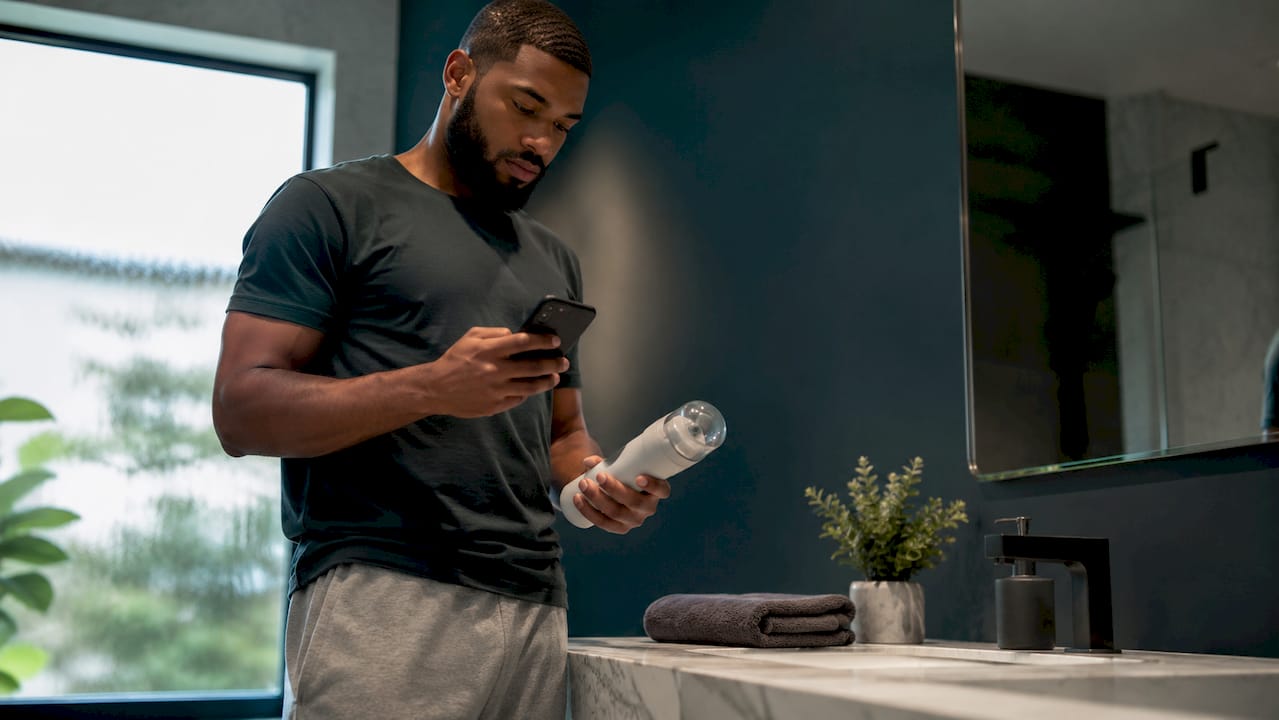
Vella Bioscience launched Ebbtide vaginal inserts, which target uterine muscular relaxation to address menstrual discomfort at its source. In clinical trials, 81% of women reduced their oral medication use while using Ebbtide. That figure shows how science-driven intimate care is beginning to compete with pharmaceutical approaches.
The key 2026 wellness innovations in tech include:
- App-connected devices with real-time partner sync for couples in different locations.
- AI desire-tracking tools that log patterns and suggest personalised intimacy prompts.
- Vaginal microbiome products such as Flora Sync LF5, which requires a three-day routine to restore bacterial balance.
- Education platforms that use AI to answer intimate health questions with clinical accuracy.
- Wearable biofeedback devices that monitor arousal and stress responses during intimate activity.
Data privacy is the most important currency in the sextech sector in 2026. Consumers demand transparent, opt-in data policies before they will trust any app with intimate information. Products that bury consent settings in small print are losing ground fast.
Pro Tip: When testing an app-connected device for the first time, run a connectivity check in a low-pressure setting before any intimate use. Technical glitches during intimacy break presence and trust.
3. What design and packaging trends define intimate wellness products in 2026?
Minimalist, body-literate design is the defining aesthetic of intimate wellness products in 2026. Brands are moving away from explicit sexual imagery toward packaging that sits comfortably alongside skincare and home fragrance on a bathroom shelf. The goal is to reduce stigma by making intimate products feel ordinary in the best sense.
Over 60% of Gen Z view sexual health as a core part of holistic wellbeing. That generation expects ingredient transparency, premium formulations, and packaging that reflects their values. Brands that still rely on garish colours and provocative imagery are losing this audience to cleaner competitors.
| Old design approach | 2026 design approach |
|---|---|
| Explicit imagery on packaging | Neutral, elegant typography |
| Cheap plastic finishes | Matte, tactile premium materials |
| Hidden ingredient lists | Prominent, clear formulation details |
| Bright, attention-seeking colours | Muted tones matching skincare palettes |
| Shame-coded language | Body-literate, clinical-meets-lifestyle copy |
The shift also affects product aesthetics at every price point. Even mid-range products now arrive in boxes you would not hide under the bed. That change is not cosmetic. It signals that intimate wellness has earned its place in the broader self-care conversation.
4. Which emerging practices are gaining popularity in 2026?
Sensuality-focused retreats are one of the fastest-growing segments within the future of intimate wellness. Destinations across Europe and Southeast Asia now offer programmes combining somatic therapy, consent education, and relationship coaching. These retreats treat intimacy as a skill to develop rather than a problem to fix.
Analog intimacy practices are growing as a direct counterbalance to digital intimacy tools. People seek breathwork, embodiment exercises, and grounding rituals that require no screen or subscription. The nervous system responds to physical presence in ways that no app can replicate.
The practices gaining the most attention include:
- Consent education beyond “yes or no”: couples are learning to communicate pacing, emotional readiness, and ongoing comfort throughout intimate encounters.
- Relationship wellness coaching: therapists and coaches now offer sessions specifically focused on desire, communication, and shared intimate goals.
- Sensory rituals: candlelight, scent, and texture are being used deliberately to shift the nervous system into a receptive state before intimacy.
- Digital detox intimacy: couples setting phone-free windows to rebuild presence and reduce performance anxiety linked to social media comparison.
The adult product market reflects these lifestyle shifts directly. Products designed for slow, mindful use are outperforming those marketed purely for speed or intensity.
5. How does the market split across intimate wellness categories?
Pleasure devices capture the largest share of the intimate wellness market at 38.5%, followed by contraceptives at 25.2%, and lubricants and personal care at 18.1%. Each category is growing, but the growth rates differ significantly. Lubricants and personal care are accelerating fastest because they sit at the intersection of intimate wellness and mainstream beauty.
That split tells you where consumer priorities lie. Pleasure is the entry point, but ongoing care, comfort, and health maintenance are becoming equally important purchasing motivations. A person who buys a pleasure device in 2026 is far more likely to also buy a pH-balancing product or a microbiome supplement than they were five years ago.
The shopping experience itself is changing to reflect this. Retailers who present intimate wellness products alongside clear educational content see higher conversion and lower return rates. Informed buyers make better choices and feel more confident about their purchases.
6. Why privacy remains the foundation of intimate wellness in 2026
Privacy is not a feature in intimate wellness. It is the baseline requirement without which no product or service gains trust. Consumers in 2026 are more aware of data vulnerability than any previous generation, and intimate data is the most sensitive category of all.
App-connected devices that collect arousal data, cycle tracking, or partner communication logs face intense scrutiny. The brands winning in this space publish clear data policies, offer full local-storage options, and never sell anonymised data to third parties. Transparency is not optional. It is the price of entry.
Discreet packaging and anonymous shipping matter equally in the physical world. Platforms like Intimate-elegance have built their entire proposition around this reality, offering anonymous EU-wide delivery as a core service rather than an afterthought. The privacy-first approach to adult shopping reflects a broader cultural shift toward bodily autonomy and personal discretion.
7. How do adult toys fit into the holistic intimate wellness picture?
Adult toys are no longer positioned as purely recreational. The integration of adult toys into relationship wellness is a recognised 2026 trend, with therapists and coaches recommending specific devices as tools for communication and shared exploration. This repositioning changes who buys them and why.
Couples use shared devices to open conversations about desire that feel difficult to start verbally. Solo use supports self-knowledge, which directly improves partnered intimacy. The clinical framing removes shame and replaces it with curiosity.
Design plays a role here too. Products that look and feel premium signal that the experience they offer is worth taking seriously. Elegant, body-safe materials and considered ergonomics communicate respect for the user’s body. That message lands differently than a product that looks like a novelty item.
Key takeaways
The most important shift in intimate wellness for 2026 is the move from performance-focused products to holistic, mindfulness-led care that treats sexual health as inseparable from overall wellbeing.
| Point | Details |
|---|---|
| Mindfulness leads all trends | Nervous-system regulation and emotional safety now define top intimate care practices in 2026. |
| Technology demands privacy | App-connected devices only earn trust when they offer transparent, opt-in data policies. |
| Design reduces stigma | Minimalist, skincare-adjacent packaging makes intimate products feel like everyday self-care. |
| New product categories emerging | FDA-cleared devices like Livi and science-driven inserts like Ebbtide mark a new era of intimate health. |
| Analog practices balance digital tools | Breathwork, retreats, and sensory rituals are growing as counterweights to tech-heavy intimacy. |
Bartosz’s take: the trend that actually changes everything
The technology headlines are exciting, but the real story of 2026 intimate wellness is quieter. It is the normalisation of talking about intimate health the same way you talk about sleep or nutrition. That cultural shift is more significant than any single product launch.
I have watched the industry for years, and the change in tone is striking. Conversations that once required clinical settings or hushed voices now happen in mainstream wellness spaces. Retreats, podcasts, and lifestyle brands are treating sexual health as a legitimate pillar of personal care. That destigmatisation is irreversible.
My honest view is that the technology trends are only valuable when they serve presence rather than replace it. An app that helps you understand your desire patterns is useful. An app that mediates every intimate moment is not. The best 2026 innovations are the ones that do their job and then get out of the way.
For anyone looking to improve intimate wellness this year, I would start with the basics. Prioritise sleep, manage stress, and have honest conversations with your partner about what you actually want. Products and practices support that foundation. They do not replace it. Choose products that feel right for your body and your values, not the ones with the most impressive marketing.
— Bartosz
Curated intimate wellness products at Intimate-elegance
Intimate-elegance brings together premium pleasure products, lingerie, and couples’ accessories that reflect the 2026 shift toward elegant, body-literate design. Every item ships anonymously across the EU, so discretion is guaranteed from checkout to doorstep.
The ToyJoy Amazing Pleasure Sex Toy Kit is a well-curated starting point for couples wanting to explore mindful intimacy with quality products. For those seeking premium lubrication that complements a body-conscious approach, the Intimateline Intymate Pure Silicone Lubricant offers a clean, long-lasting formula. Both products reflect the ingredient-conscious, premium formulation trend that defines intimate wellness in 2026.
FAQ
What is intimate wellness?
Intimate wellness is the practice of caring for your sexual, emotional, and physical health as connected parts of overall wellbeing. It includes physical care, emotional safety, communication, and the use of products and practices that support a healthy intimate life.
What are the biggest intimate wellness trends for 2026?
The leading trends are mindful intimacy centred on nervous-system regulation, FDA-cleared post-intercourse care devices like Livi, science-driven vaginal inserts like Ebbtide, minimalist product design, and a growing demand for analog practices such as breathwork and sensuality retreats.
Why is data privacy important in intimate wellness technology?
Intimate data is among the most sensitive personal information a person can share. In 2026, trust is the most important currency in the sextech sector, and consumers require transparent, opt-in data policies before adopting any app-connected intimate device.
How do adult toys support holistic intimate wellness?
Adult toys are increasingly recommended by therapists and relationship coaches as tools for communication, self-knowledge, and shared exploration. Products designed with body-safe materials and elegant aesthetics reinforce the message that intimate care is a legitimate part of overall self-care.
What is the difference between Livi and Ebbtide?
Livi is an FDA-cleared, single-use post-intercourse device that absorbs fluids and supports vaginal pH balance, removed within 15 minutes. Ebbtide is a vaginal insert by Vella Bioscience that targets uterine muscular relaxation to reduce menstrual discomfort, used as a three-day routine.
Recommended
- Intimacy tips for couples: Strengthen your bond in 2026 – Intimate Elegance
- Adult product market trends in 2026: what’s driving growth – Intimate Elegance
- Why investing in intimacy transforms your relationship – Intimate Elegance
- Why shop adult products in 2026: Wellness, privacy and intimacy – Intimate Elegance