

Sensual self-care routine guide: nurture body and mind
TL;DR:
- A sensual self-care routine uses multiple senses to deeply relax and regulate emotions. It follows a three-stage structure—atmosphere, engagement, and closure—to create effective rituals. Short micro-rituals and matching sensory inputs to current needs support long-term consistency and emotional wellness.
A sensual self-care routine is a deliberate, multisensory practice designed to nurture your body and mind, fostering deeper relaxation, pleasure, and intimate wellness. Unlike a generic bath or a quick face mask, this kind of practice draws on sensory synergy, the principle that combining scent, touch, and sound regulates emotions more deeply than any single sense acting alone. The result is a ritual that genuinely recalibrates your mind and body, rather than simply filling time. This guide covers the tools, the structure, and the troubleshooting you need to build a practice that lasts.
What tools and sensory elements make a sensual self-care routine work?
A well-built sensual self-care routine draws on all five senses, not just one or two. Each sensory channel contributes something distinct to the overall effect, and choosing the right tools for each makes the difference between a pleasant hour and a genuinely restorative practice.
| Sensory mode | Example tools | Core benefit |
|---|---|---|
| Touch | Body oils, soft fabrics, massage techniques | Reduces stress hormones, grounds the nervous system |
| Scent | Essential oils, scented candles, aromatherapy diffusers | Engages the limbic system, supports emotional regulation |
| Sound | Ambient playlists, ASMR recordings, nature sounds | Lowers heart rate, promotes relaxation |
| Sight | Warm lighting, candles, intentional décor | Signals safety to the brain, reduces alertness |
| Taste | Herbal teas, dark chocolate, warm drinks | Slows the pace, anchors mindful presence |
Touch is the most studied of these modalities. Self-soothing touch over 14 days markedly reduces momentary stress and fatigue, with effects comparable to brief meditation. That finding means even a five-minute self-massage with a body oil counts as a genuine stress relief technique, not an indulgence.
Sound is worth taking seriously too. ASMR triggers can lower heart rate and promote relaxation, though the specific triggers vary from person to person. Whispering, tapping, and slow ambient music are the most commonly effective, so experiment until you find what works for you.
- Oils and balms: Choose unscented bases if you are scent-sensitive, or lavender and sandalwood for calming effects.
- Fabrics: Silk, satin, and soft cotton against the skin heighten tactile awareness without overstimulating.
- Lighting: Warm-toned bulbs or candles shift the room’s mood more reliably than any single product.
- Sound: A curated playlist or a dedicated ASMR session works better than background television.
- Taste: A warm drink consumed slowly before or during the ritual anchors your attention in the present moment.
Pro Tip: Start with just two or three sensory elements rather than all five at once. Adding too many inputs at the start creates noise rather than calm.
How do you design and implement your sensual self-care routine?
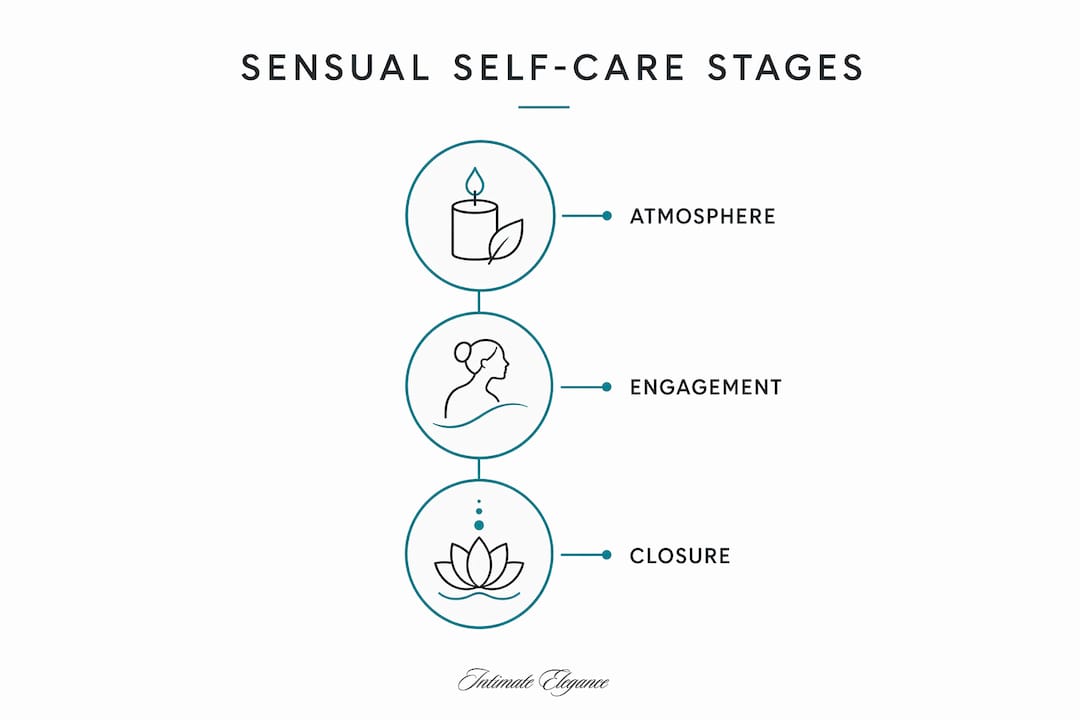
The most effective structure for a sensual self-care routine follows three clear stages: atmosphere, engagement, and closure. A sensory ritual needs hard boundaries, such as silencing your phone and closing the door, to protect the space from interruption. Without those boundaries, the ritual loses its effect before it begins.
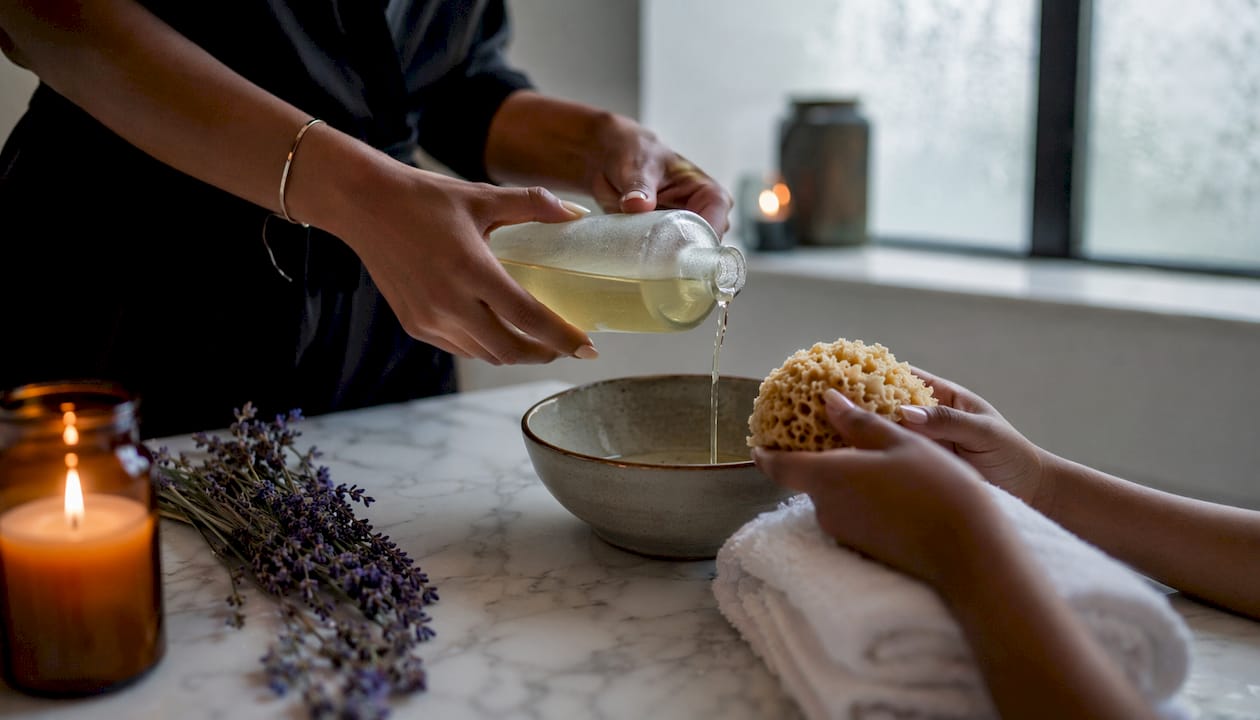
The three-stage structure
Stage 1: Atmosphere. This is the preparation phase. You set the room temperature, light your candles or adjust the lighting, start your playlist, and lay out your tools. This stage takes five to ten minutes and signals to your nervous system that something different is about to happen.
Stage 2: Engagement. This is the core of the practice. You move through your chosen activities with full attention, whether that is a body oil massage, a mindful bath, or a slow skincare sequence. The key is slow, attentive action. The specificity of ritual, not the products themselves, transforms routine tasks into restorative experiences.
Stage 3: Closure. This is often skipped, and that is a mistake. Closure means a deliberate ending: a few slow breaths, wrapping yourself in a warm towel, or simply sitting quietly for two minutes. It signals to your brain that the ritual is complete and helps the benefits settle.
Here is a step-by-step process to build your first full session:
- Choose a time slot of 20–40 minutes when you will not be disturbed.
- Silence all devices and place them in another room.
- Set the atmosphere using two or three sensory elements from your chosen modalities.
- Begin with a slow, tactile activity such as dry brushing or a warm oil self-massage.
- Layer in your scent and sound elements once you feel settled.
- Close the session with two to three minutes of stillness or slow breathing.
- Note one thing you noticed about your body or mood afterwards.
That final note matters. Tracking your responses over time shows you which combinations work best for your body, which is far more useful than following a generic prescription.
Pro Tip: Build a “micro-ritual menu” of two or three five-minute versions of your routine. On busy days, one micro-ritual is infinitely better than skipping the practice entirely.
Offering two to three short micro-rituals of two to five minutes each is more sustainable for busy people than relying on a single long session. Flexibility is what keeps a practice alive over months and years, not willpower.
What challenges arise in sensual self-care, and how do you fix them?
The most common reason people abandon a sensual self-care practice is not lack of motivation. It is a mismatch between the sensory inputs they choose and what their body actually needs in that moment. Choosing sensory inputs that match your current state is the single most important factor in whether a session leaves you restored or more depleted.
If you are already overstimulated after a loud, demanding day, adding a complex multi-scent bath bomb and a loud playlist will make things worse. Low-intensity inputs, such as a single candle, silence, and slow touch, work better in that state. If you feel flat or sluggish, more activating sensations like cool water, citrus scent, or upbeat music can lift your energy.
Common mistakes and how to address them:
- Overstimulation: Reduce the number of active sensory elements. One scent, one sound source, one tactile focus is enough.
- Inconsistency: Attach your ritual to an existing habit, such as after your evening shower, so it requires no extra decision-making.
- Time pressure: Use a micro-ritual. A three-minute self-massage with a body oil counts. Perfection is the enemy of consistency.
- Mismatched inputs: Check in with your body before you begin. Ask yourself whether you feel wired or flat, and choose your tools accordingly.
- Guilt: Sensual self-care is not a luxury. A single 30-minute multisensory session can significantly improve interoceptive awareness and autonomic regulation. That is a measurable health outcome.
Pro Tip: Keep a small “ritual kit” in one place, a basket or a tray with your oils, a candle, and a face cloth. Reducing setup friction makes it far easier to start.
You can also read the erotic self-care checklist from Intimate-elegance for a broader framework that covers sensual self-care within intimate wellness contexts.
How does sensual self-care deepen intimacy and emotional wellness?
Sensual self-care is not only a solo practice. The skills you build, such as tuning into your body, recognising what feels good, and creating intentional space for pleasure, translate directly into richer intimate experiences with a partner.
Combining olfaction, touch, and sound triggers deeper emotional regulation than single modalities by influencing the limbic system and providing grounding. That is the neurological basis for why a shared sensual ritual, such as a mutual massage with a warm oil and soft music, feels qualitatively different from a standard evening together. The limbic system responds to the combination, not just the individual parts.
Aromatherapy plays a particularly strong role here. Scents like ylang ylang, rose, and jasmine have documented associations with emotional warmth and reduced anxiety. Using them consistently in your personal routine means your nervous system begins to associate those scents with safety and pleasure, which carries over into shared intimate moments.
Mindful touch is the other pillar. Learning to give and receive touch with full attention, rather than as a mechanical act, is a skill that improves with practice. The benefits of sensual massage for deeper intimacy are well-documented, and the technique transfers directly from solo practice to partnered experience.
“Sensory synergy, the deliberate combination of scent, touch, and sound, engages the limbic system in a way that single-sense experiences cannot match. The result is not just relaxation but genuine emotional regulation and a deeper sense of connection with your own body. Ritual is the delivery mechanism. Without it, the tools are just objects.”
Understanding intimate wellness as a continuous practice, rather than a one-off treat, is what separates people who genuinely benefit from those who dabble and give up.
Key takeaways
A sensual self-care routine works because it combines sensory synergy, ritual structure, and body-responsive inputs to produce measurable improvements in relaxation, emotional regulation, and intimate wellness.
| Point | Details |
|---|---|
| Sensory synergy is the foundation | Combining scent, touch, and sound regulates emotions more deeply than any single sense alone. |
| Use the three-stage structure | Atmosphere, engagement, and closure give the ritual a clear shape and protect its effectiveness. |
| Match inputs to your current state | Low-intensity tools for overstimulation, activating ones for low energy, prevents wasted sessions. |
| Micro-rituals sustain the practice | Two to five minutes of intentional sensory focus beats skipping the practice on busy days. |
| Solo practice builds intimate skills | Body awareness and mindful touch developed alone transfer directly into richer partnered experiences. |
Why I think most people approach sensual self-care backwards
Most people treat sensual self-care as a reward they earn after a hard week. That framing guarantees inconsistency. You will never feel you have earned it quite enough, and the practice stays occasional rather than habitual.
What I have found, both personally and from watching how people engage with sensual wellness, is that the ritual itself creates the capacity for rest. You do not wait until you are calm to begin. You begin, and the structure of the ritual produces the calm. That is a meaningful shift in how to think about self-care practices.
The other thing most guides get wrong is the emphasis on products over presence. The tools matter, but mindful awareness during routine tasks is what transforms them into something therapeutic. A £5 candle used with full attention outperforms an expensive kit used while scrolling your phone. Start with presence, then add products as you go.
— Bartosz
Products from Intimate-elegance to enrich your sensual practice
Building a sensual self-care routine is easier when your tools are genuinely pleasurable to use.
Intimate-elegance curates a selection of premium products designed for exactly this kind of intentional, sensory-rich practice. The TOYJOY Amazing Pleasure Sex Toy Kit is a strong starting point for anyone building a solo or partnered sensual routine, offering a range of sensations in one thoughtfully assembled kit. For those who want to extend the ritual into shared intimate experiences, the TOYJOY Just for You Super Sex Bomb Box provides a varied selection suited to self-exploration and couples’ rituals alike. All orders ship discreetly across the EU, with secure transactions and fast delivery as standard.
FAQ
What is a sensual self-care routine?
A sensual self-care routine is a deliberate, multisensory practice that uses touch, scent, sound, sight, and taste to nurture the body and regulate the mind. It differs from standard self-care by prioritising sensory engagement and ritual structure over simple task completion.
How long should a sensual self-care session last?
A full session of 20–40 minutes is effective, but even a single 30-minute multisensory session can improve interoceptive awareness and autonomic regulation. On busy days, a two to five minute micro-ritual delivers meaningful benefits.
How do I avoid feeling overstimulated during my routine?
Reduce the number of active sensory inputs and choose low-intensity tools when you are already wired. One scent, one sound source, and one tactile focus is enough for a session to be restorative rather than overwhelming.
Can sensual self-care improve intimate relationships?
Yes. The body awareness and mindful touch skills built through solo sensual self-care transfer directly into partnered experiences. Sensory synergy practices, such as shared massage with scent and music, engage the limbic system and deepen emotional connection.
How often should I practise sensual self-care?
Daily micro-rituals of two to five minutes are more sustainable than weekly long sessions. Consistency matters more than duration, and attaching the practice to an existing habit, such as your evening routine, reduces the effort needed to start.