

Sensual massage guide: deepen intimacy with touch
TL;DR:
- Sensual massage enhances emotional trust and reduces stress through mindful touch between partners. Regular practice can improve connection, lower conflict, and strengthen long-term relationship satisfaction. Setting a calm environment and focusing on presence increases the massage’s emotional and physiological benefits.
A sensual massage is defined as the practice of mindful, attentive touch between partners, designed to deepen emotional connection and physical relaxation rather than pursue sexual gratification. Research shows that partner massage reduces cortisol by 23–28% and triggers a meaningful rise in oxytocin, the hormone most directly linked to bonding and trust. This guide draws on those findings to give you practical techniques, mental preparation steps, and environment advice that actually work. Whether you are new to couples massage or looking to deepen an existing practice, the methods here are grounded in physiology and real relationship dynamics.
What does a sensual massage guide actually cover?
Sensual massage, known in therapeutic contexts as mindful partner touch or somatic intimacy practice, sits at the intersection of relaxation therapy and emotional connection. The goal is presence, not performance. You are not trying to replicate a spa treatment or move towards arousal. You are using touch to communicate care, attention, and safety to another person.
The benefits of sensual massage extend well beyond the session itself. Regular practice correlates with 31% higher mutual trust and 26% fewer conflicts between partners. That is not a minor effect. It suggests that non-verbal, caring touch rewires how couples relate to each other across the whole relationship, not just in the bedroom.
Touch-based practices also bypass fight-or-flight triggers by reducing amygdala activity. This makes sensual massage particularly useful for couples who find verbal communication difficult or who feel emotionally guarded. The body opens before the mind does.
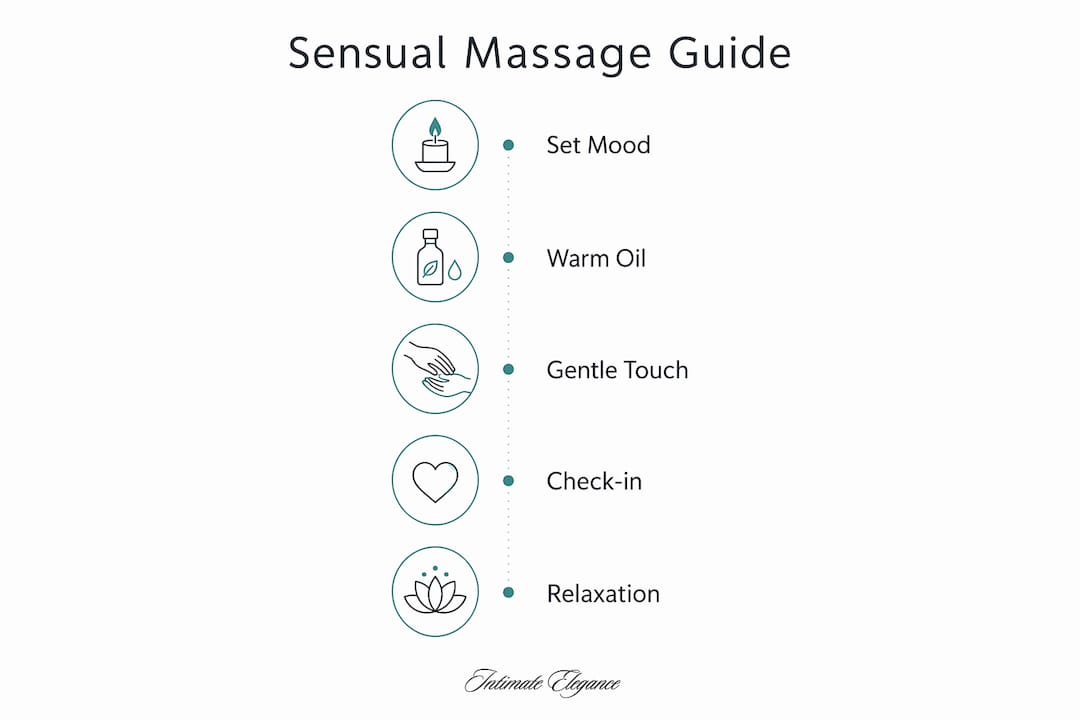
How to prepare the space and materials
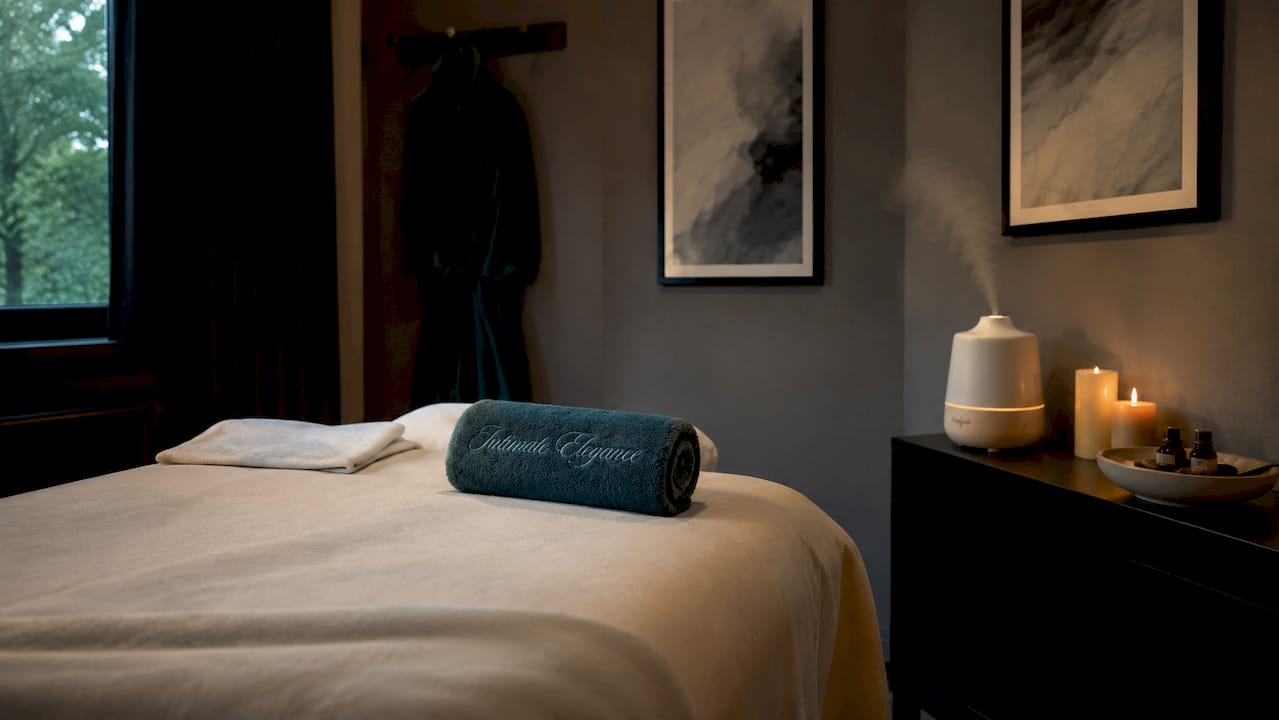
The environment you create determines how quickly your partner’s nervous system settles. A cold room, bright overhead lighting, or a buzzing phone will undo the effect of even the most skilled touch.
Essential supplies
- Massage oil: Choose a skin-safe, unscented or lightly scented oil such as sweet almond, jojoba, or fractionated coconut oil. Warm it to approximately 45°C before applying. Oil at that temperature prevents sensory shock and keeps the nervous system in a relaxed state rather than triggering a startle response.
- Towels and a firm surface: A yoga mat on the floor or a firm mattress works better than a soft sofa, which limits your range of movement.
- Lighting: Use candles or a dimmable lamp set to warm amber tones. Bright white light activates alertness rather than calm.
- Sound: Ambient or instrumental music at a low volume reduces external noise without demanding attention. Silence also works, particularly once both partners are settled.
- Scent: A diffuser with lavender or sandalwood supports parasympathetic activation. Avoid strong synthetic fragrances that can cause headaches.
Room conditions
The room temperature should feel slightly warmer than usual, around 22–24°C, because the receiving partner will be still and may cool quickly. Close the door and silence all devices. A digital detox for the session is not optional. Even a phone face-down on a table creates a low-level distraction that undermines presence.
| Condition | Recommended setting |
|---|---|
| Room temperature | 22–24°C |
| Oil temperature | ~45°C |
| Lighting | Warm amber, dimmed |
| Sound | Low ambient or silence |
| Devices | Off or in another room |
Pro Tip: Warm the oil by placing the bottle in a bowl of hot water for five minutes before the session. Test it on your inner wrist before applying it to your partner’s skin.
Step-by-step sensual massage techniques
Effective technique is less about pressure and more about pace, rhythm, and attentiveness. The following sequence builds connection gradually rather than jumping straight into deep tissue work.
-
Begin with synchronised breathing. Sit facing each other and breathe together for two to three minutes. A 4-second inhale followed by a 6-second exhale activates the parasympathetic nervous system and prepares both bodies for connection. This is not optional preparation. It is the foundation of the session.
-
Establish boundaries before you begin. Ask your partner which areas feel comfortable and which to avoid. This conversation takes two minutes and prevents discomfort that can break trust mid-session.
-
Start with dry contact. Press gently through a towel on the back or shoulders before introducing oil. This gradual acclimation prevents sensory overload and allows the nervous system to adjust to your touch.
-
Use broad, slow strokes. Begin with effleurage, long gliding strokes along the back, shoulders, and arms. Keep your hands in contact with the skin at all times. Lifting your hands repeatedly interrupts the flow and signals inattention.
-
Adjust pace to your partner’s breath. If their breathing slows, your strokes should slow to match. If they tense, lighten your pressure rather than pushing through. The rhythm should feel coordinated, not identical in pressure, allowing individual differences while maintaining connection.
-
Use silence as a tool. Silence during massage fosters non-verbal connection and helps both partners listen to the body rather than the mind. Resist the urge to fill quiet moments with conversation.
-
Switch roles with intention. After 20–30 minutes, swap positions. The person who gave now receives. This role reversal builds mutual empathy and prevents the dynamic from becoming one-sided.
Pro Tip: Check in verbally once mid-session with a simple “How does this feel?” rather than a stream of questions. One check-in maintains presence without interrupting the flow.
How to mentally prepare for a sensual massage
Mental preparation accounts for a significant portion of the overall experience. Research indicates that setting a clear intention before a massage can reduce cortisol by up to 35%. That figure reflects how powerfully the mind shapes the body’s response to touch.
A short preparation ritual before the session makes a measurable difference:
- Breathe first. Spend three minutes on the 4:6 breathing pattern described above. This shifts your nervous system out of the sympathetic state before you even begin.
- Set a shared intention. Agree on a single word or phrase that captures what you both want from the session. “Presence,” “calm,” or “connection” all work. This creates a shared emotional space rather than two separate agendas.
- State your boundaries clearly. Boundaries are not restrictions. They are the conditions that make safety possible. Without them, one or both partners will hold tension throughout.
- Leave the day outside. If you have had a difficult day, acknowledge it briefly to your partner, then agree to set it aside for the duration of the session.
“Intention is not about what you want to achieve. It is about who you want to be present with, and how. When couples set a shared intention before touch, the session becomes a conversation the body has been waiting to have.”
The step-by-step intimacy improvement approach works precisely because it treats preparation as part of the practice, not a preamble to it.
Common mistakes that undermine sensual massage
The most frequent error couples make is treating sensual massage as a prelude to sex. This misunderstanding shifts the goal from presence to performance, which defeats the purpose entirely. A session that feels goal-oriented will not produce the hormonal or emotional benefits that make the practice worthwhile.
“The moment massage becomes about where it leads rather than where it is, the nervous system knows. Tension returns, presence disappears, and the opportunity for genuine connection is lost.”
Other common pitfalls include:
- Rushing the session. Allocate at least 45 minutes. A 10-minute back rub is pleasant but does not produce the physiological reset that comes from sustained, attentive touch.
- Ignoring emotional reactions. Receiving caring touch can surface unexpected emotions, including sadness or vulnerability. If your partner becomes emotional, pause, hold space, and ask what they need. Do not push through.
- Using phones. Even a brief glance at a notification signals to your partner that something else matters more. Devices off means devices off.
- Applying uneven pressure without checking. What feels light to you may feel uncomfortable to your partner. Ask, adjust, and ask again.
If either partner finds that sessions consistently surface deep emotional distress, professional support from a couples therapist or somatic practitioner is worth considering. Sensual massage complements therapy. It does not replace it.
How sensual massage improves relationship dynamics
Regular sensual massage produces measurable changes in relationship health. Couples who practise partner massage regularly show improved stress regulation and stronger long-term connection. The mechanism is physiological. Regular paired massage synchronises heart rate, blood pressure, and breathing rhythms between partners. That synchronisation produces a calming effect that neither partner can generate alone.
Non-sexual touch resets the nervous system and prevents what relationship researchers call “roommate syndrome,” the gradual erosion of physical and emotional intimacy that happens when couples stop touching outside of functional or sexual contexts. Many couples mistake touch as either sexual or transactional, overlooking the vital role of caring, non-goal-oriented contact in sustaining connection.
| Benefit | Effect |
|---|---|
| Cortisol reduction | 23–28% decrease in stress hormone levels |
| Oxytocin increase | Stronger bonding and emotional security |
| Trust improvement | 31% higher mutual trust in regular practitioners |
| Conflict reduction | 26% fewer interpersonal conflicts reported |
| Relationship longevity | Linked to prolonged relationship satisfaction |
Sensual massage is a complement to verbal communication, not a replacement for it. Couples who use touch to improve foreplay and intimacy alongside honest conversation report the strongest outcomes. Touch opens the door. Words keep it open.
Key takeaways
Sensual massage works because it combines mindful touch, physiological reset, and shared presence to rebuild trust and reduce stress in ways that conversation alone cannot achieve.
| Point | Details |
|---|---|
| Prepare the environment | Warm the room to 22–24°C, dim the lighting, and silence all devices before you begin. |
| Warm the oil correctly | Oil at approximately 45°C prevents sensory shock and keeps the nervous system relaxed. |
| Set a shared intention | Agreeing on a focus word before the session can reduce cortisol by up to 35%. |
| Use silence deliberately | Non-verbal connection during massage rebuilds emotional listening between partners. |
| Practise regularly | Consistent partner massage correlates with 31% higher trust and 26% fewer conflicts. |
What I have learned from coaching couples through sensual massage
Bartosz here. The single most common breakthrough I witness is not about technique. It is about permission. Couples arrive thinking they need to learn a skill. What they actually need is permission to slow down and be present with each other without an agenda.
The partners who see the deepest shifts are the ones who stop trying to do the massage correctly and start paying attention to the person in front of them. Patience matters more than pressure. Vulnerability matters more than variety. The couples who treat sensual massage as a ritual rather than a task, something they return to weekly rather than reserve for special occasions, are the ones who report lasting changes in how they communicate and connect.
My honest advice: start with 20 minutes, no pressure, no expectations. Let the practice teach you what your relationship needs. The body knows before the mind catches up.
— Bartosz
Products from Intimate-elegance to support your practice
Intimate-elegance curates a selection of products designed to complement the kind of intimate practice this guide describes.

A quality lubricant or massage-friendly oil makes a genuine difference to the sensory experience. The Intimateline Intymate Pure Silicone Lubricant is a practical choice for couples who want a long-lasting, skin-safe option that works well for massage and beyond. For couples ready to extend their intimacy practice further, the TOYJOY Amazing Pleasure Sex Toy Kit offers a curated set of accessories designed for shared exploration. Intimate-elegance ships discreetly across the EU, with secure transactions and fast delivery, so your privacy is always protected.
FAQ
What is the difference between sensual and erotic massage?
Sensual massage focuses on mindful touch, relaxation, and emotional connection without a sexual goal. Erotic massage is explicitly oriented towards arousal and sexual pleasure.
How often should couples practise sensual massage?
Once a week is a practical starting point. Regular practice, rather than occasional sessions, produces the hormonal and relational benefits linked to cortisol reduction and increased trust.
What is the best massage oil for sensual massage?
Skin-safe carrier oils such as sweet almond, jojoba, or fractionated coconut oil work well. Warm the oil to approximately 45°C before applying to avoid sensory shock and maintain relaxation.
Can sensual massage help with relationship conflict?
Research links regular partner massage to a 26% reduction in interpersonal conflicts. The practice builds non-verbal attunement and trust, which reduces the emotional reactivity that drives conflict.
Do you need prior massage experience to give a sensual massage?
No prior training is needed. Slow, broad strokes, attentive listening to your partner’s responses, and a willingness to check in verbally are more important than technical skill.