

Intimate wellness: what it means and why it matters
TL;DR:
- Intimate wellness encompasses holistic physical, emotional, psychological, and relational health aspects.
- Supporting pillars include comfort, confidence, communication, and trust to promote overall satisfaction.
- Modern innovations offer safe, discreet products and treatments tailored to individual needs and diversity.
Intimate wellness is one of those concepts that most people think they understand, yet consistently underestimate. It is not simply about sexual performance or frequency. Intimate wellness covers holistic care of physical, emotional, psychological, and relational aspects of sexual health and intimacy, making it far broader than most mainstream conversations suggest. Whether you are single, partnered, or somewhere in between, your intimate well-being shapes your confidence, your relationships, and your overall quality of life. This guide breaks down exactly what intimate wellness means in practice, explores the pillars that support it, and shows you how to apply that knowledge in ways that feel personal, discreet, and genuinely effective.
Table of Contents
- Defining intimate wellness holistically
- Essential pillars: physical, emotional, and relational health
- Modern approaches: innovation in intimate wellness products and treatments
- Different perspectives on intimate wellness: breaking myths and embracing diversity
- Why intimate wellness starts with self-acceptance and informed choice
- Discover premium tools for your journey
- Frequently asked questions
Key Takeaways
| Point | Details |
|---|---|
| More than sex | Intimate wellness supports the whole self—physically, emotionally, and relationally. |
| Personal and partnered | Both individuals and couples can benefit from integrating discreet, tailored routines. |
| Innovation empowers choice | Modern products and treatments offer safe, effective options for diverse needs. |
| Self-acceptance matters | Wellness begins with openness to personal values, preferences, and informed choices. |
Defining intimate wellness holistically
Having set the stage, it is essential to understand what truly defines intimate wellness. The term gets used loosely, but its meaning is precise and layered. As intimate wellness refers to the holistic care of physical, emotional, psychological, and relational aspects of sexual health and intimacy, it demands attention across multiple dimensions of your life, not just one.
Think of it this way. Physical comfort matters, yes. But so does how you feel about your body, how openly you communicate with a partner, and how much you prioritise your own pleasure without guilt. Remove any one of those elements and the picture becomes incomplete.
Intimate wellness includes:
- Physical health: Pelvic floor strength, hormonal balance, genital comfort, and freedom from pain or discomfort during intimacy.
- Emotional health: Self-esteem, body confidence, and the ability to express desire without shame.
- Psychological health: Managing anxiety around intimacy, processing past experiences, and building a positive relationship with your own sexuality.
- Relational health: Trust, mutual respect, and reciprocal pleasure within partnered experiences.
One of the biggest barriers to intimate wellness is stigma. Many adults still feel uncomfortable seeking information or products that could genuinely improve their well-being. Proactive, discreet care, whether through exploring self-care for wellness or investing in quality products, is not indulgent. It is responsible.
“True intimate wellness is not reactive. It is an ongoing, proactive practice that honours every dimension of your sexual and relational self.”
For couples, this means working together to nurture shared satisfaction. For individuals, it means recognising that solo well-being is equally valid and equally worth investing in. Using certified organic intimate products is one small but meaningful way to prioritise physical comfort as part of a broader wellness routine.
The scope of intimate wellness is genuinely wide. Once you accept that, you stop looking for a single fix and start building a practice.
Essential pillars: physical, emotional, and relational health
Now that we understand the holistic definition, let us examine the key pillars that support intimate wellness and why each one deserves your attention.
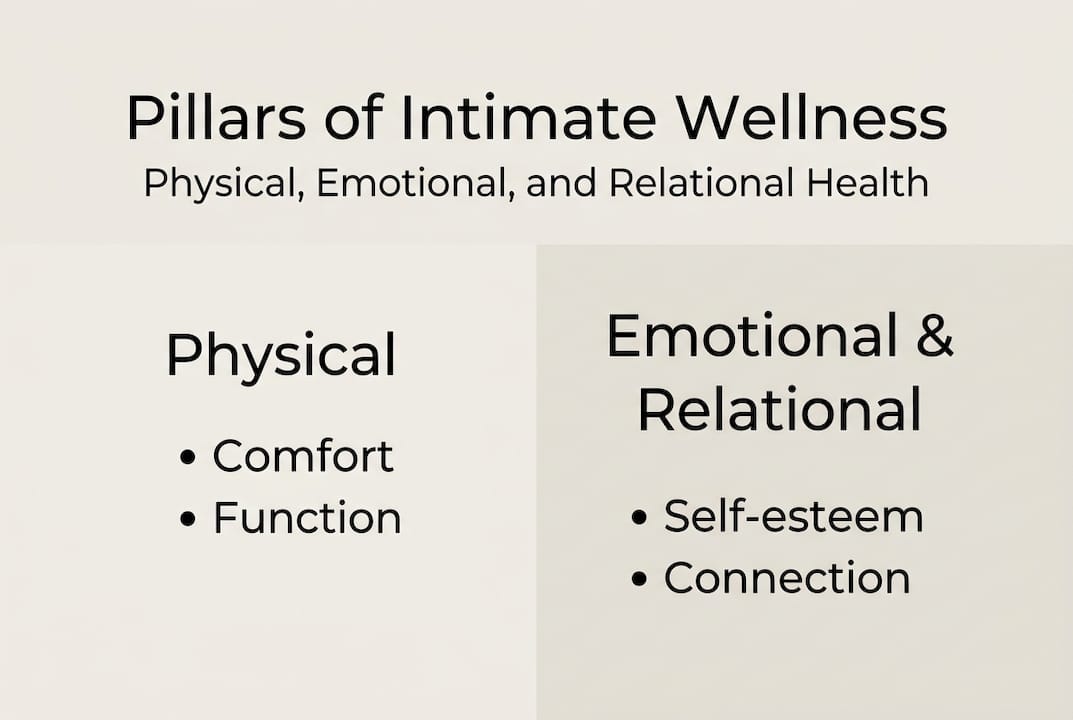
Intimate wellness covers comfort, function, satisfaction, and pleasure for both solo and partnered experiences. That breadth is reflected in three interconnected pillars that, when balanced, create genuine well-being.
| Pillar | Key focus areas | Signs of imbalance |
|---|---|---|
| Physical | Pelvic floor, hormones, comfort | Pain, dryness, reduced sensation |
| Emotional | Self-esteem, body image, communication | Shame, avoidance, low desire |
| Relational | Trust, connection, reciprocation | Disconnection, unmet needs, conflict |
The physical pillar is often the easiest to address because it is tangible. Pelvic floor exercises, hormonal awareness, and choosing body-safe products all make a measurable difference. Academic research on intimate health consistently links physical comfort to overall sexual satisfaction, confirming that this pillar is foundational.
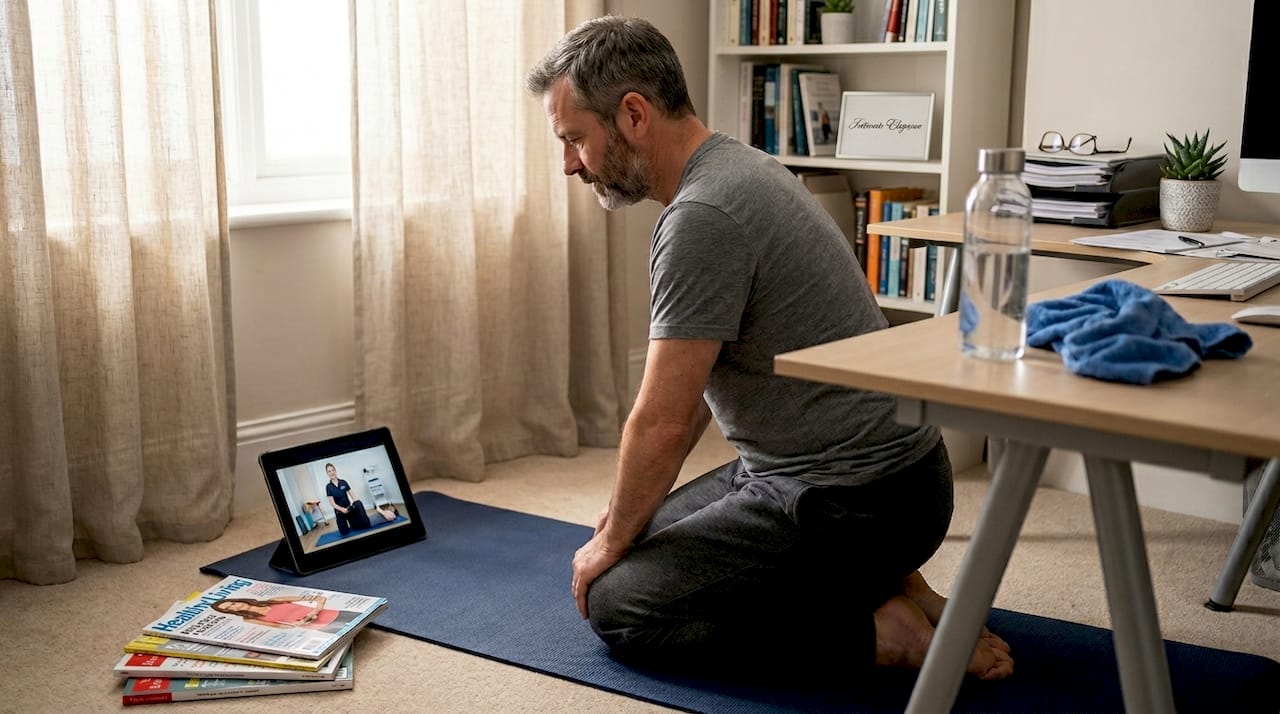
The emotional pillar is subtler but equally powerful. Body image and self-esteem directly influence how present and confident you feel during intimate moments. Open communication, whether with yourself or a partner, is the single most underrated tool in intimate wellness. It costs nothing and changes everything.
The relational pillar is where many couples struggle most. Enhancing connection discreetly through thoughtful gestures, shared experiences, or new products can rebuild intimacy that has quietly faded over time. Trust and reciprocation are not automatic; they are cultivated.
Pro Tip: You do not need to overhaul your entire routine overnight. Start with one small, honest conversation or introduce one gentle self-care practice this week. Progress in intimate wellness is cumulative, not dramatic.
These three pillars are not separate. A physical issue can create emotional anxiety, which then strains relational trust. Addressing one often improves the others, which is why a holistic view is not just philosophical but genuinely practical.
Modern approaches: innovation in intimate wellness products and treatments
Understanding the pillars, it is practical to explore current innovations shaping the field of intimate wellness.
The market has evolved significantly. Non-surgical treatments like radiofrequency, PRP, neuromodulators, and air-pulse devices now support comfort and satisfaction in ways that were unavailable even a decade ago. Alongside clinical treatments, premium consumer products have reached a level of sophistication that genuinely rivals professional solutions for everyday wellness needs.
| Approach | Method | Best suited for |
|---|---|---|
| Radiofrequency therapy | Clinic-based, non-invasive tissue treatment | Post-partum recovery, dryness |
| Air-pulse technology | Consumer device, gentle suction stimulation | Clitoral sensitivity, solo wellness |
| Natural and organic products | Topical, body-safe formulations | Daily comfort, skin sensitivity |
| Couples stimulators | Wearable or handheld devices | Shared pleasure, relational connection |
For those exploring women’s wellness treatments, clinical options are increasingly accessible and normalised. However, for most adults, premium consumer products offer a discreet, effective, and immediately accessible starting point.
Here is how to integrate new options safely and confidently:
- Research materials. Always choose body-safe silicone, stainless steel, or ABS plastic. Avoid products with phthalates or unverified coatings.
- Start with one product. Introducing multiple new items at once makes it harder to understand what works for your body.
- Read verified reviews. Look for detailed, specific feedback rather than generic praise.
- Check return and privacy policies. Reputable retailers offer discreet packaging and clear policies.
- Explore types of couples stimulators together. Shared exploration builds both physical satisfaction and relational connection.
Innovation in this space is accelerating. Understanding how adult toys enhance relationships means you can make informed choices rather than impulse purchases. The goal is always products that serve your specific needs, not the most technically impressive option on the shelf.
Different perspectives on intimate wellness: breaking myths and embracing diversity
As innovation grows, it is crucial to acknowledge the variety of perspectives that influence how intimate wellness is understood and practised.
Intimate wellness is not one-size-fits-all. Contrasting viewpoints encompass pelvic health, hormones, medical versus natural products, and solo versus partnered experiences, all of which deserve equal respect. What works beautifully for one person may feel entirely wrong for another, and that is not a failure. It is individuality.
The debate between medical and natural product paths is a good example. Medical treatments offer clinically validated results for specific conditions. Natural products offer gentler, everyday support with fewer barriers to access. Neither is universally superior. The right choice depends on your body, your values, and your goals. Consulting a certified professional before pursuing clinical treatments is always wise, while premium natural products can be explored independently with confidence.
Solo wellness and partnered wellness also have distinct needs. Solo practice builds self-knowledge, confidence, and emotional independence. Partnered wellness requires communication, vulnerability, and mutual investment. Both are valid. Both are valuable. Treating them as competing priorities misses the point entirely.
Some myths worth setting aside:
- Myth: Intimate wellness is only relevant when something is wrong. Reality: Proactive care prevents problems and enhances satisfaction.
- Myth: Using products means your relationship is lacking. Reality: Products are tools for exploration, not substitutes for connection.
- Myth: Intimate wellness is a women’s issue. Reality: It applies equally across all genders and orientations.
- Myth: Natural always means safe. Reality: Quality and formulation matter regardless of whether a product is natural or medical.
Using a quality shopping checklist helps you navigate these choices without confusion. Research in diversity in sexual health confirms that inclusive, personalised approaches consistently outperform generic ones.
Pro Tip: Before purchasing any product or pursuing any treatment, ask yourself whether it aligns with your personal values and comfort level. Wellness that feels forced is not wellness at all.
Why intimate wellness starts with self-acceptance and informed choice
Most mainstream wellness advice focuses on what to do. Far less attention goes to who you are when you do it. That gap matters enormously in intimate wellness.
Self-acceptance is not a soft concept. It is the practical foundation on which every other wellness strategy rests. Without it, even the most premium product or clinically validated treatment will deliver limited results, because the emotional resistance remains. Confidence in your own desires, your own body, and your own boundaries is what actually transforms intimate wellness from a concept into a lived experience.
We have seen this pattern repeatedly. People invest in products, read all the right articles, and still feel stuck. Almost always, the missing ingredient is permission, the quiet internal decision to prioritise your own pleasure and well-being without apology.
Informed choice compounds this. When you understand what you are choosing and why, you stop second-guessing and start experiencing. Guides on choosing safe, luxurious products exist precisely to support that informed confidence. The goal is never to overwhelm you with options but to help you identify what genuinely fits your life.
True progress in intimate wellness is personal, iterative, and entirely yours to define.
Discover premium tools for your journey
With a clearer understanding of intimate wellness in hand, the natural next step is finding products that match your unique needs and values.
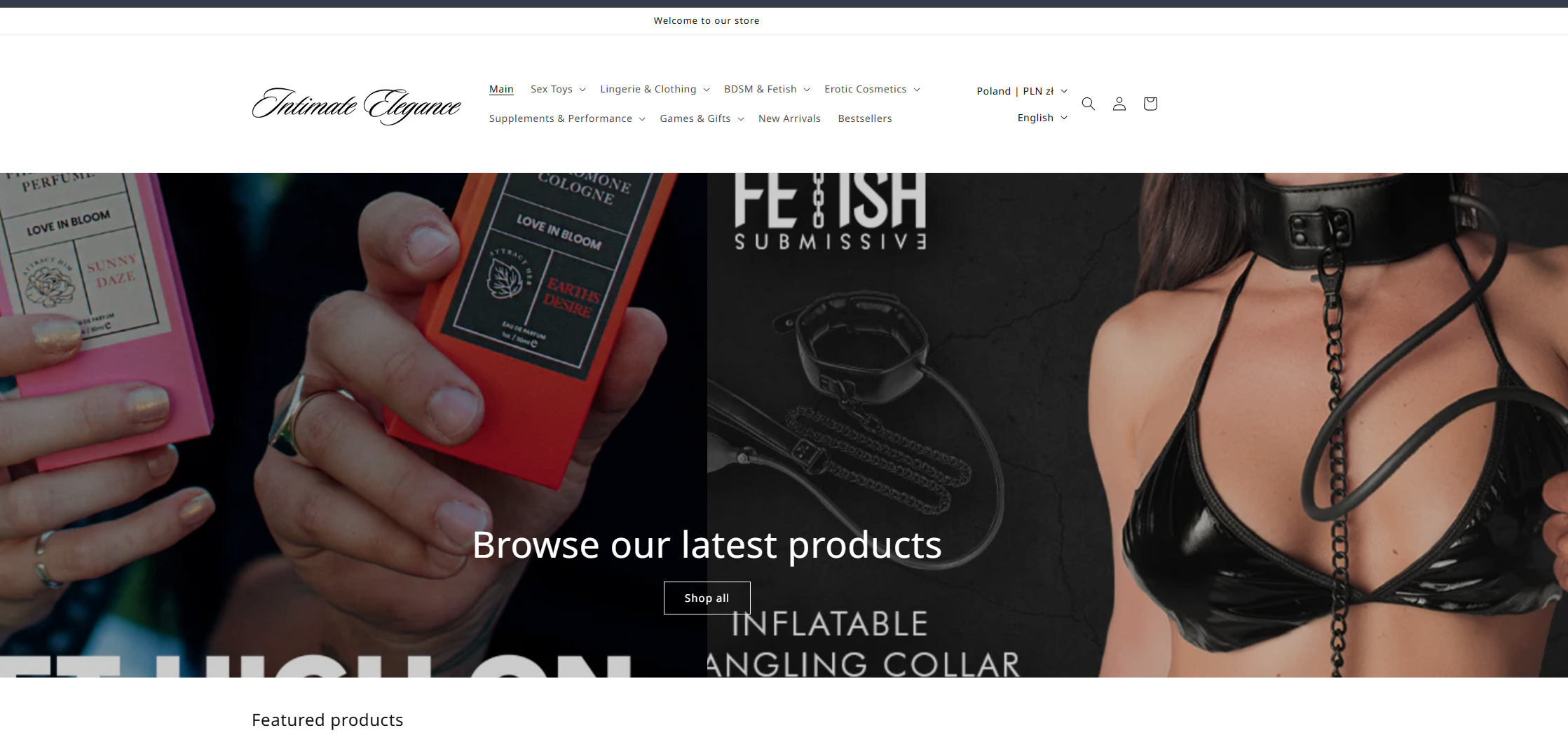
At Intimate Elegance, every product in our collection is chosen for quality, safety, and genuine effectiveness. Whether you are drawn to the innovative sensation of the Ibiza rotating dual vibrator or the refined elegance of the Hilari pink luxe vibrator, you will find options that respect both your body and your privacy. All orders ship anonymously across the EU with full discretion. Explore, experiment, and invest in the intimate wellness practice you deserve.
Frequently asked questions
How is intimate wellness different from sexual health?
Intimate wellness refers to the holistic care of multiple aspects beyond sexual function. It extends beyond sexual health by nurturing physical, emotional, and relational well-being for complete personal satisfaction.
Can intimate wellness benefit people who are not in relationships?
Absolutely. It covers both solo and partnered experiences, supporting individual well-being, emotional balance, and self-esteem regardless of relationship status.
Are natural products safer than medical treatments for intimate wellness?
Both options carry genuine benefits and real considerations. The contrast between medical and natural approaches means your best choice depends on personal needs and guidance from certified professionals.
What discreet steps can I take to improve intimate wellness?
Proactive and discreet care is the foundation. Begin with gentle self-care routines, high-quality personal products, and open, honest communication with yourself or a partner.
Recommended
- Intimate self-care: Enhance pleasure and wellness holistically – Intimate Elegance
- Intimate gifting: Enhancing connection, privacy and wellness – Intimate Elegance
- Intimate shopping checklist for quality sexual wellness – Intimate Elegance
- What is an intimate accessory: enhance your intimacy – Intimate Elegance