

How to use vibrators safely: a practical guide
TL;DR:
- Safe vibrator use depends on body-safe materials, consistent hygiene, compatible water-based lubrication, and attentive technique. Choosing non-porous, medical-grade silicone, glass, or stainless steel minimizes health risks and facilitates proper cleaning, while avoiding porous jelly or PVC. Proper cleaning before and after each session, along with cautious adjustment of intensity and safe sharing practices, ensures enjoyable and risk-free experiences.
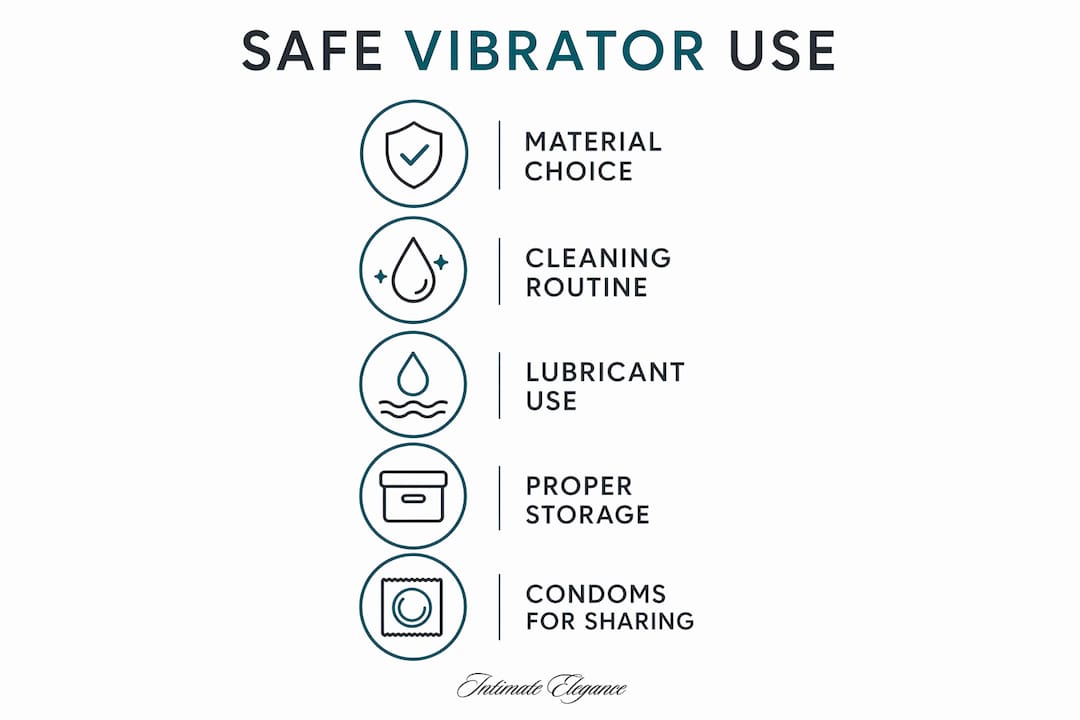
Safe vibrator use is defined by four pillars: body-safe materials, consistent hygiene, compatible lubrication, and attentive technique. Get these right and you remove virtually every meaningful risk associated with vibrator use. Skip them and you introduce unnecessary exposure to bacteria, skin irritation, and discomfort that has nothing to do with the toy itself. This guide covers each pillar in plain terms, drawing on expert protocols from educators like Tara Gale and resources including Cara Sutra and Buzzing Babe, so you can enjoy your vibrator with genuine confidence from the very first session.
How to use vibrators safely: choosing the right materials
Material choice is the single most consequential decision you make when selecting a vibrator. The wrong material does not just feel unpleasant. It actively harbours bacteria, leaches chemicals, and degrades in ways that are invisible to the naked eye.
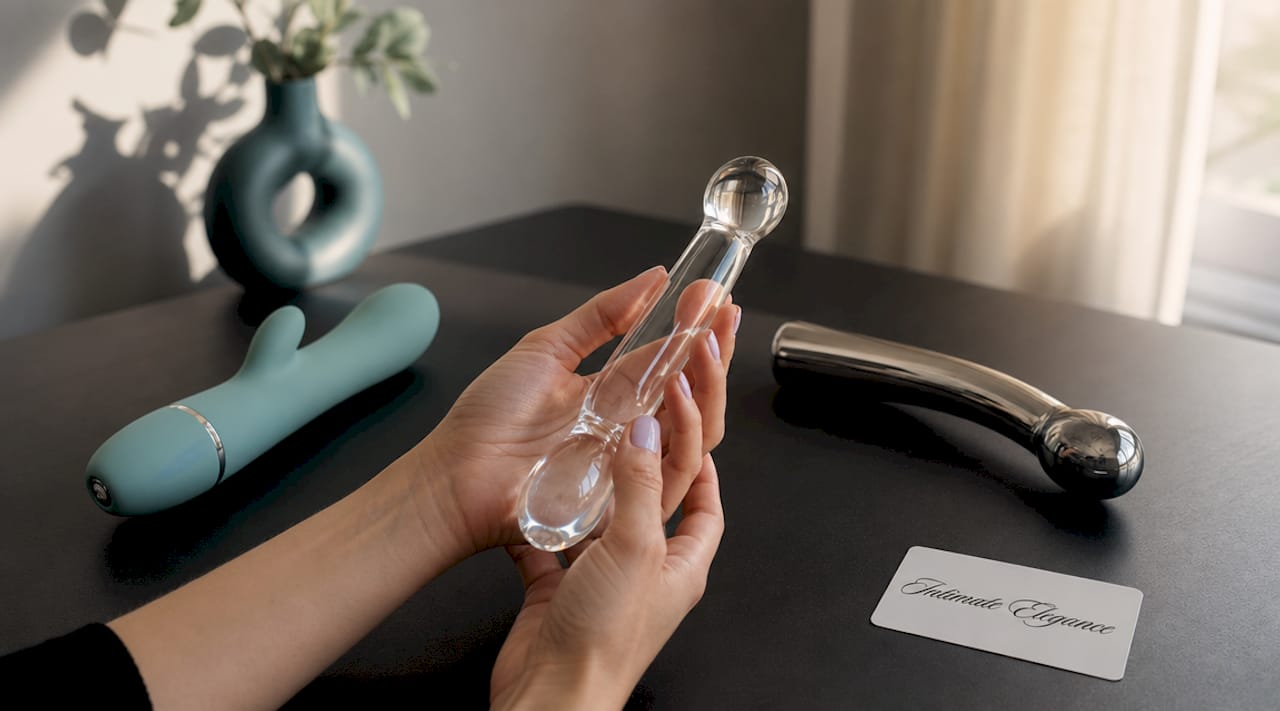
Medical-grade silicone is the gold standard for vibrator materials. It is non-porous, which means bacteria cannot penetrate the surface and hide between uses. It is also hypoallergenic, flexible, and holds its shape over years of regular use. For anyone with sensitive skin or a history of reactions to synthetic materials, medical-grade silicone is the only sensible starting point.
Porous materials, including jelly rubber and PVC, present a genuine hygiene problem. Their microscopic surface channels trap bacteria and bodily fluids even after cleaning. No amount of washing fully eliminates that risk. Many jelly toys also contain phthalates, a class of chemical plasticisers linked to hormonal disruption, which is reason enough to avoid them entirely.
Beyond silicone, three other materials meet a reasonable safety standard:
- Borosilicate glass: non-porous, temperature-responsive, and compatible with all lubricant types. Inspect for chips or cracks before every use.
- Stainless steel: exceptionally durable, non-porous, and fully sterilisable. Heavy by design, which suits some users and not others.
- ABS plastic: hard, non-porous, and typically used in the external casing of battery-powered toys. Safe and affordable, though less luxurious in feel than silicone.
Pro Tip: When buying a vibrator, look for explicit labelling that reads “phthalate-free” and “body-safe.” If a product description avoids those terms entirely, treat that as a warning sign rather than an oversight.
| Material | Porous? | Safe for use? | Cleaning method |
|---|---|---|---|
| Medical-grade silicone | No | Yes | Soap, toy cleaner, boiling |
| Borosilicate glass | No | Yes | Soap, toy cleaner, boiling |
| Stainless steel | No | Yes | Soap, toy cleaner, boiling |
| ABS plastic | No | Yes | Soap or toy cleaner |
| Jelly or PVC | Yes | No | Cannot be fully sanitised |
How to clean vibrators properly before and after use
Cleaning is not optional and it is not a formality. A vibrator that is not cleaned before use can introduce environmental bacteria to sensitive tissue. One that is not cleaned after use becomes a breeding ground between sessions.
The standard protocol is straightforward. A 60-second wash with mild, unscented soap and warm water prevents up to 90% of hygiene-related issues. That figure makes a compelling case for what is, in practice, a very small investment of time. Unscented soap matters because fragranced products can irritate mucous membranes, particularly for vaginal or anal use.
For medical-grade silicone toys without electronic components, boiling for 3 to 5 minutes monthly provides deep sanitisation that surface washing cannot match. This is worth doing if you use a toy frequently or share it with a partner. Never boil a toy that contains a motor or battery pack, as water will destroy the electronics.
Follow this sequence for routine cleaning:
- Remove batteries or unplug the charging cable before cleaning.
- Rinse the toy under warm running water to remove surface residue.
- Apply a small amount of mild, unscented soap or a dedicated toy cleaner and work it across the entire surface for a full 60 seconds.
- Rinse thoroughly, paying particular attention to seams, ridges, and charging ports where moisture collects.
- Pat dry with a clean, lint-free cloth.
- Air-dry upside down for at least 20 minutes before storing, as this reduces trapped moisture in crevices.
Storage matters as much as cleaning. Dry toys completely before placing them in breathable fabric pouches, and keep silicone toys separated from other materials. When silicone contacts certain plastics or other silicone compounds during storage, chemical migration can degrade the surface over time. Most quality vibrators come with a storage pouch for exactly this reason. If yours did not, a clean cotton bag works perfectly well.
Pro Tip: Avoid alcohol wipes for routine cleaning. They feel thorough but they degrade silicone and ABS plastic surfaces over time, creating micro-abrasions that make future cleaning less effective. Stick to soap, water, and purpose-made toy cleaners.
For a deeper look at long-term maintenance, the sex toy cleaning guide at Intimate-elegance covers sterilisation schedules and storage systems in detail.
What are the best practices for vibrator use during play?
Starting on the lowest intensity setting is not timidity. It is the correct technique. Hold the device steady for 20 to 30 seconds before adjusting pressure or placement, giving your body time to register the sensation and signal whether it wants more or less. Jumping straight to high intensity bypasses that feedback loop entirely and is the most common cause of numbness and post-session soreness.
Lubrication is non-negotiable for all vibrator use, not just for users who experience dryness. Water-based lubricants are compatible with every vibrator material and reduce the frictional irritation that can occur even during external use. Silicone-based lubricants are longer-lasting but degrade silicone toy surfaces, so avoid that combination. Oil-based lubricants break down latex condoms and are not recommended for toy use.
Tara Gale describes the process of adjusting vibrator intensity as tuning like an instrument: small, deliberate adjustments based on immediate feedback rather than large leaps in either direction. That analogy holds up in practice. The difference between a setting that feels extraordinary and one that feels like too much is often a single step on the intensity dial.
“Insertion is optional and should only be added when comfortable, not as a measure of proper vibrator use.” — The Toy
This point deserves emphasis. Many first-time users assume that internal use is the intended purpose of all vibrators. It is not. External clitoral stimulation is the primary use case for the majority of vibrator designs, and there is no hierarchy of “correct” use. If insertion feels comfortable and appealing, it is a valid choice. If it does not, external use is complete in itself.
A few practical guidelines for managing intensity and avoiding discomfort:
- Move the vibrator gently across different areas rather than holding it in one spot for extended periods. Prolonged pressure on a single point causes temporary numbness, which is a signal to adjust, not to push through.
- Begin sessions in a relaxed physical position. Muscle tension reduces sensitivity and makes it harder to read your body’s responses accurately.
- If you experience any sharp pain, burning, or persistent discomfort, stop immediately. These are not sensations to work through.
- Keep a water-based lubricant within reach and reapply as needed throughout the session.
Can vibrators cause injury when shared? Understanding cross-contamination
Shared vibrator use carries real hygiene risks that are straightforward to manage once you understand them. The core principle is simple: use condoms on toys when switching between partners or between different types of stimulation, and clean thoroughly between every use.
The practical rule cited by sexual health educators is “new person, new condom; new body part, new condom.” This applies directly to vibrator use. If a toy is used vaginally and then anally, or passed between partners, a fresh condom and a full clean are both required. Bacterial transfer between anal and vaginal tissue is a documented route to infection, and a toy is an efficient vector if hygiene steps are skipped.
Storage hygiene for shared toys deserves equal attention. Keep shared toys in individual pouches rather than a communal drawer, and inspect them before each use for surface damage. A sexual health expert recommends replacing damaged vibrators immediately, as cracks or tears in the surface create sites where bacteria accumulate regardless of cleaning effort.
For solo users who use the same toy for different types of stimulation, the same rules apply. A condom change and a full wash between uses is the standard, not an overcautious extra step. The vibrator types guide at Intimate-elegance covers which toy designs are suited to specific uses, which helps avoid the need for cross-use in the first place.
Key takeaways
Safe vibrator use requires body-safe materials, consistent cleaning before and after every session, compatible water-based lubrication, and attentive technique that responds to your body’s signals throughout.
| Point | Details |
|---|---|
| Material safety first | Choose medical-grade silicone, glass, or stainless steel and avoid porous jelly or PVC entirely. |
| Clean every time | A 60-second wash with mild soap before and after use prevents the vast majority of hygiene issues. |
| Start low and adjust slowly | Hold at the lowest setting for 20 to 30 seconds before changing intensity or placement. |
| Lubricate every session | Water-based lubricant reduces friction and protects sensitive tissue regardless of natural moisture levels. |
| Shared use needs strict hygiene | Use a fresh condom and clean thoroughly when switching partners or stimulation types. |
Why safe habits are the foundation of genuine pleasure
I have spoken with a lot of people who treat vibrator hygiene as an afterthought, something they will get around to once they have figured out what they enjoy. That ordering is backwards. The habits you build in the first few sessions become the habits you keep, and skipping cleaning or ignoring early discomfort signals tends to compound rather than resolve itself.
What I find most useful is reframing maintenance as part of the experience rather than a chore that brackets it. Cleaning a quality toy takes under two minutes. Storing it properly takes ten seconds. These are not burdens. They are the reason a well-made vibrator continues to feel and perform the same way three years after purchase.
The body feedback piece is the one most people underestimate. Numbness during use is not a sign that you need more intensity. It is your nervous system telling you to move, pause, or reduce pressure. Treating that signal as information rather than an obstacle changes the entire experience. The users I know who get the most consistent enjoyment from their toys are the ones who have learned to read those signals accurately, not the ones who push through them.
Responsible vibrator use is genuinely straightforward once the core habits are in place. The learning curve is short, the payoff is long, and the risks are almost entirely avoidable with the practices covered in this guide.
— Bartosz
Explore body-safe vibrators at Intimate-elegance

Intimate-elegance stocks a curated selection of premium vibrators made from medical-grade silicone, borosilicate glass, and body-safe ABS plastic, each chosen with the safety standards in this guide in mind. Every product listing includes material specifications and cleaning guidance, so you can make an informed choice before you buy. The blog also features detailed toy maintenance advice covering sterilisation schedules, storage systems, and when to replace a toy. Browse the full collection at Intimate-elegance and find a vibrator that suits your preferences without compromising on safety or quality.
FAQ
What materials are safest for vibrators?
Medical-grade silicone, borosilicate glass, and stainless steel are the safest vibrator materials because they are non-porous and fully cleanable. Avoid jelly rubber and PVC, which are porous and cannot be fully sanitised between uses.
How often should I clean my vibrator?
Clean your vibrator before and after every single use with mild, unscented soap and warm water for a minimum of 60 seconds. Monthly deep cleaning by boiling is recommended for non-electronic silicone toys.
Can vibrators cause injury if used incorrectly?
Vibrators can cause temporary numbness, skin irritation, or bacterial infection if used without lubrication, cleaned improperly, or made from porous materials. These risks are almost entirely preventable with the correct technique and hygiene routine.
Is it safe to share a vibrator with a partner?
Sharing is safe when you use a fresh condom on the toy for each partner and clean it thoroughly between uses. The “new person, new condom” rule is the standard recommendation from sexual health educators.
Do I need lubricant even if I do not experience dryness?
Yes. Water-based lubricant reduces frictional irritation during all vibrator use, not only when natural moisture is low. It also protects sensitive tissue and makes the experience more comfortable regardless of arousal levels.