

How to enhance pleasure: a practical guide
TL;DR:
- Most adults seek a more fulfilling sex life, but practical, research-backed guidance remains scarce and often incomplete.
- Focusing on physical health, emotional wellbeing, and honest communication creates a foundation for greater pleasure, while techniques like sensate focus and sexual mindfulness progressively rebuild trust and sensation awareness.
Most adults want a more satisfying intimate life, yet practical guidance on how to enhance pleasure remains surprisingly hard to find. The usual advice is vague, the clinical resources feel cold, and very little accounts for the emotional, relational, and physical factors that genuinely shape sexual experience. This guide cuts through that. You will find research-backed techniques, honest conversation about common obstacles, and real tools you can use, whether you are exploring on your own or with a partner.
Table of Contents
- Key takeaways
- How to enhance pleasure: start with the right foundations
- Sensate focus and sexual mindfulness in practice
- Practical ways to increase pleasure through touch and exploration
- Troubleshooting obstacles and recognising progress
- My perspective: stop chasing the destination
- Discover pleasure with Intimate-elegance
- FAQ
Key takeaways
| Point | Details |
|---|---|
| Address the foundations first | Physical health, emotional wellbeing, and open communication directly shape how much pleasure you experience. |
| Sensate focus is evidence-based | Structured, non-demand touch exercises rebuild trust and sensation awareness progressively, without pressure. |
| Lubricants matter more than most realise | Choosing the right lubricant reduces discomfort significantly and transforms physical intimacy for the better. |
| Mindfulness during sex is a distinct skill | Applying present-moment awareness specifically during intimacy improves sexual satisfaction beyond general mindfulness practice. |
| Progress is personal and non-linear | Recognising small improvements in connection and comfort is as valid as dramatic change. |
How to enhance pleasure: start with the right foundations
Before focusing on technique, it pays to look at what is already influencing your experience. Low sex drive and reduced pleasure are frequently tied to relationship problems, stress, anxiety, depression, hormonal changes, and certain medications. That list matters because each cause points to a different response.
Physical wellbeing plays a more significant role than many people expect. Hormonal shifts, particularly during perimenopause and menopause, can cause vaginal dryness that makes intimacy genuinely uncomfortable. Regular use of vaginal moisturisers and lubricants is the first-line recommendation from NHS and NICE for managing this, with low-dose local oestrogen as a second option when needed. Addressing physical comfort is not optional. It is the prerequisite.
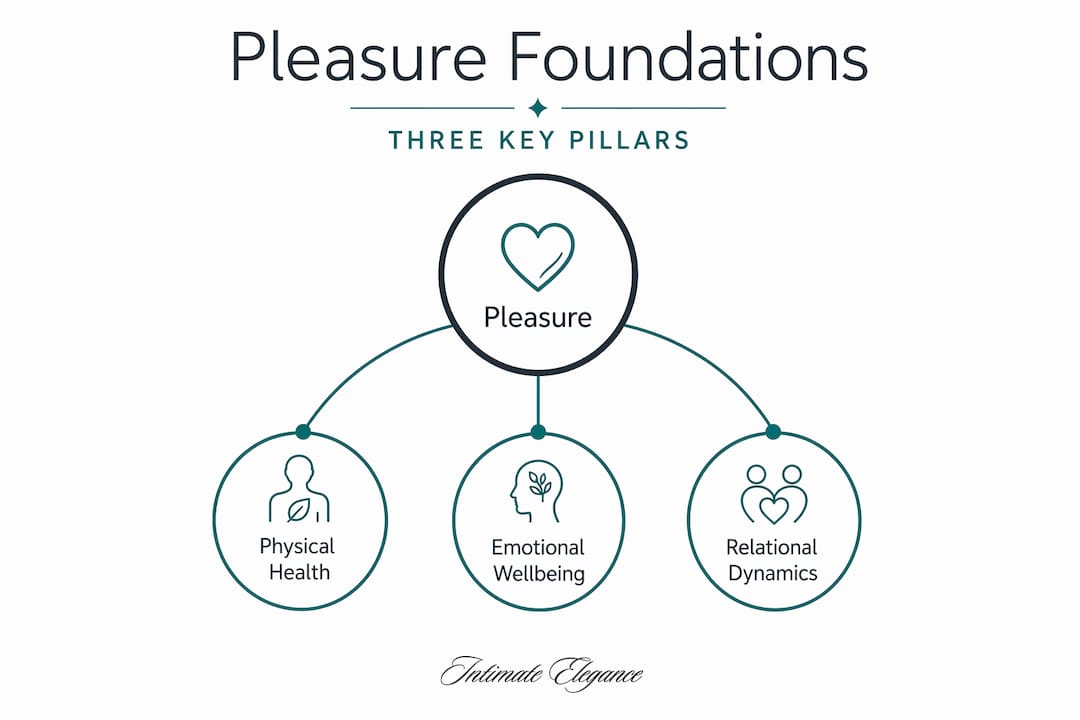
Emotional factors are equally important. Performance anxiety, body image concerns, and unresolved stress all narrow the nervous system’s capacity for pleasure. When the mind is braced for criticism or fixated on an outcome, physical sensation struggles to land. Managing stress through regular exercise, sleep, and, where appropriate, psychological support creates the internal conditions where pleasure becomes possible.
Relational dynamics round out the picture. Research from Brook highlights the role of what some sex therapists call sexual currency: non-sexual intimate gestures such as cuddling, holding hands, or sustained eye contact. These interactions build emotional safety and reduce the pressure that can make sexual encounters feel transactional. Trust grows in small moments, not just in bed.
Here is a quick reference for the main factors and relevant approaches:
| Factor | Common challenge | Practical approach |
|---|---|---|
| Physical health | Vaginal dryness, hormonal changes | Lubricants, moisturisers, medical review |
| Emotional wellbeing | Stress, anxiety, performance pressure | Mindfulness, CBT, therapy |
| Relational dynamics | Communication gaps, emotional distance | Non-sexual intimacy, honest dialogue |
| Lifestyle | Poor sleep, low activity | Exercise, sleep hygiene, nutrition |
Pro Tip: Before any intimacy session, take five minutes to decompress separately. A short walk, deep breathing, or even a warm shower signals to the nervous system that safety and ease are available, not urgency.
Sensate focus and sexual mindfulness in practice
Sensate focus is one of the most well-researched therapeutic methods for rebuilding pleasure. Originally developed by Masters and Johnson, it reduces performance anxiety by removing the goal of orgasm entirely and replacing it with structured, mindful touch. The process unfolds in progressive stages:
- Non-genital touch only. Partners take turns exploring each other’s bodies using slow, attentive touch, deliberately avoiding genitals and breasts. The focus is purely on sensation: texture, warmth, pressure. No sexual response is expected or sought.
- Genital touch without intercourse. Gradually, touch expands to include the genitals, but with no expectation of arousal or orgasm. The aim remains sensory awareness, not performance.
- Integration of intercourse. Only after comfort and trust are re-established does the exercise progress to include penetration, again with an emphasis on sensation rather than outcome.
What makes sensate focus work is its commitment to removing demand. The nervous system genuinely cannot experience pleasure and threat simultaneously. By eliminating the pressure to perform, the body relearns that touch is safe and enjoyable.
Sexual mindfulness works alongside this. Applied non-judgmentally during intimacy, present-moment awareness has been shown to significantly improve satisfaction, and this is distinct from general mindfulness practice. You are not trying to meditate during sex. You are practising noticing: the temperature of skin, the rhythm of breath, the quality of contact. When the mind wanders to a to-do list or a self-critical thought, you return gently to sensation.
Creating a conducive environment helps. Dimming lights, removing phones from the room, and choosing a temperature that feels comfortable all reduce the sensory competition that fragments attention. Clear verbal cues, such as “slower” or “I’d like to pause,” keep communication flowing without disrupting the mood.
Pro Tip: Agree on a simple signal before you begin, a word or a gentle squeeze, that means “pause and check in.” It removes the awkwardness of verbal interruption and makes both partners feel more secure.
Practical ways to increase pleasure through touch and exploration
Beyond structured therapy, there are everyday ways to increase pleasure that build connection and sensation naturally.
Sensual massage is one of the most underrated tools available. It creates deliberate, non-demanding physical contact that warms the body and the relationship simultaneously. Research consistently links non-sexual physical intimacy to stronger emotional bonds and sexual satisfaction. The practical element matters too: use a good quality oil, warm your hands first, and work slowly from the shoulders and back before moving anywhere more intimate.

Lubricants deserve more credit than they typically receive. Water-based or silicone-based lubricants are recommended by NHS to prevent irritation and maintain condom integrity. Oil-based alternatives can degrade latex and cause irritation, so they are generally not advisable. Using lubricant is not a signal that something is wrong. It is a practical way to make physical intimacy more comfortable and pleasurable for everyone involved.
Pro Tip: Apply lubricant before any discomfort arises, not in response to it. Starting comfortable keeps arousal building rather than interrupting it.
Adult toys can meaningfully expand the range of sensation available to you. Vibrators and sensual stimulators allow exploration of intensity, rhythm, and location that manual touch alone cannot always achieve. For couples, shared devices can create new points of connection and mutual pleasure. The key is to introduce them with curiosity rather than expectation.
A few practical principles for safe and satisfying exploration:
- Start with lower intensities and simpler designs before exploring more advanced options.
- Use only body-safe materials: silicone, glass, stainless steel, and ABS plastic are generally considered safe choices.
- Clean toys properly before and after use according to the manufacturer’s guidance.
- Using lubricant with adult toys adds comfort and extends both pleasure and toy longevity.
- Discuss preferences and comfort levels openly with a partner before introducing something new.
Non-sexual intimacy remains a constant thread through all of this. Couples who maintain regular physical affection outside the bedroom consistently report greater sexual satisfaction. It is not a preparation technique. It is an ongoing investment.
Troubleshooting obstacles and recognising progress
Even with good intentions and the right tools, obstacles appear. Recognising them for what they are prevents unnecessary discouragement.
Common barriers to watch for include:
- Stress and fatigue narrowing the capacity for pleasure, even when desire exists.
- Unspoken expectations creating tension that neither partner has named.
- Physical discomfort that has gone unaddressed, often manageable with lubricants or medical advice.
- Plateaus where nothing feels like it is progressing, which are a normal part of any sustained change.
- Body image concerns that pull attention away from sensation and toward self-monitoring.
“Enhancing pleasure is less about fixing dysfunction and more about cultivating a relaxed, present-moment connection without performance pressure.” Based on the principles of sensate focus therapy, this framing shifts the work from correction to exploration, which is a significantly more sustainable and enjoyable approach.
Mindfulness-based sex therapy and cognitive behavioural approaches have demonstrated measurable improvements across desire, arousal, satisfaction, and pain in clinical settings. If self-guided approaches are not shifting things after a consistent effort, working with a qualified sex therapist or speaking to a GP about physical factors is genuinely worth pursuing. Seeking support is not a failure. It is a sensible next step.
Signs that things are improving are often subtle at first: greater ease during intimate moments, more willingness to communicate, reduced anxiety, and increased interest. These matter. Treating them as evidence of real progress, not just stepping stones to some future destination, is itself a strategy for greater pleasure.
My perspective: stop chasing the destination
I have spent considerable time reading the research, speaking to people about their intimate lives, and thinking about why so many well-intentioned approaches to pleasure fall flat. Here is what I keep coming back to.
The biggest obstacle most people face is not a lack of technique. It is a goal-oriented mindset that treats sex as something to complete rather than something to inhabit. Performance anxiety consistently blocks pleasure by activating exactly the stress response that closes pleasure down. And yet the cultural script around intimacy is almost entirely outcome-focused.
What I have found genuinely transformative, for individuals and couples alike, is the shift from “did that work?” to “what did I notice?” That one change in orientation reduces anxiety immediately and opens up a curiosity that makes every encounter more interesting.
I have also noticed that people underestimate the power of non-sexual connection. Couples who touch each other casually throughout the day, who make eye contact, who talk about something other than logistics, bring a completely different quality of presence to intimate moments. It is not romantic theory. It is what the body responds to.
Pleasure is not a problem to solve. It is a capacity to cultivate, and it shifts throughout your life. The most useful thing you can do is stay curious, stay communicative, and stop measuring progress by a single outcome.
— Bartosz
Discover pleasure with Intimate-elegance

At Intimate-elegance, we believe that exploring pleasure should feel considered, not rushed. Our curated collection is selected with quality and comfort in mind, supporting exactly the kind of intentional intimacy this guide describes. Whether you are looking for a first step into sensory exploration or something to bring fresh energy to an established relationship, our range is designed to meet you where you are.
Our sensual lace mask is a beautifully crafted accessory that heightens sensation by softening visual input and drawing attention inward toward touch and sound. It works particularly well alongside sensate focus exercises and sensual massage. Pair it with a quality lubricant and a clear, consensual conversation, and you have the ingredients for a genuinely memorable experience. All orders are shipped discreetly across the EU, with full privacy at every step. Browse our full collection at Intimate-elegance and find exactly what fits your exploration.
FAQ
What is sensate focus and how does it enhance pleasure?
Sensate focus is a structured touch exercise that removes the goal of orgasm and focuses instead on present-moment sensory awareness. It rebuilds trust and pleasure progressively through non-demand stages, starting with non-genital touch.
Which lubricant is best for improving intimacy?
Water-based and silicone-based lubricants are the safest choices for most people. They prevent irritation, maintain condom integrity, and improve comfort during intimacy without the risks associated with oil-based alternatives.
How does mindfulness help with sexual satisfaction?
Sexual mindfulness means maintaining non-judgmental, present-moment awareness specifically during intimacy. Research shows this raises satisfaction and lowers distress beyond what general mindfulness practice alone achieves.
When should I seek professional support for sexual pleasure concerns?
If self-guided techniques are not helping after consistent effort, speaking to a GP about physical factors or working with a qualified sex therapist is a worthwhile step. Mindfulness-based sex therapy and CBT have both demonstrated measurable improvements in sexual function.
Can adult toys genuinely improve sexual satisfaction?
Yes. Vibrators and other sensual devices expand the range of sensation available during intimacy and can strengthen connection between partners. Regular use of appropriate devices can also maintain vaginal suppleness, which directly supports comfort and pleasure over time.
Recommended
- Transform pleasure: a complete guide to sensual stimulators – Intimate Elegance
- Discover G-spot vibrators: elevate pleasure with expert tips – Intimate Elegance
- Stimulator devices explained: elevate pleasure and wellbeing – Intimate Elegance
- Enhance intimacy and connection with lingerie: a practical guide – Intimate Elegance